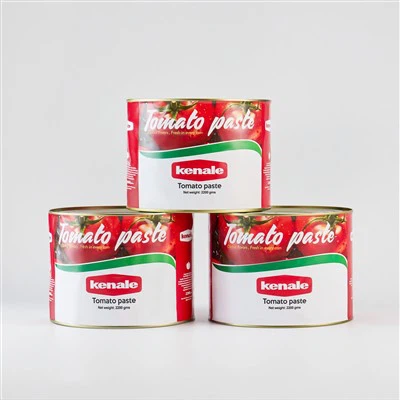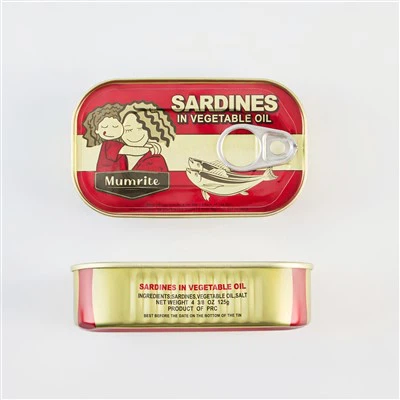
For decades, canned sardine has been a humble yet essential presence on kitchen shelves, food trucks, and hotel menus across the globe - especially in Africa. Known for its strong flavor, soft texture, and budget-friendly protein, sardine was once seen as the "everyday fish."
But times are changing. In many coastal regions, particularly North and West Africa, sardines are no longer as easy to find or as cheap as they once were. Ocean stocks are tightening. Export policies are shifting. And with rising global demand for shelf-stable protein, sardines may be transforming from a common staple into a highly strategic product.
A Resource Under Pressure
Across parts of Morocco and West Africa, sardine fishing quotas are being tightened to prevent overexploitation. As global demand for wild-caught small fish rises - particularly for use in both food and animal feed - countries are beginning to guard their marine resources more strictly.
This puts pressure on availability, especially for imported or lower-grade sardines. As a result, quality canned sardine - with clean meat, deboned structure, and consistent size - is no longer guaranteed in every market.
Why Canned Sardine Still Stands Out
Even in a more limited supply environment, canned sardine remains a top-tier protein choice - and, in many ways, even more attractive than before. Here's why:
- Rich, flavorful, and ready-to-eat - no cooking, no prep.
- High in Omega-3 and calcium, making it valuable for both adults and children.
- Affordable compared to tuna, while still offering meaningful nutrition.
- Packed with micronutrients like Vitamin D, B12, and iron.
- Shelf-stable for months, and highly resistant to temperature fluctuation.
Unlike fresh fish, which requires refrigeration and immediate consumption, canned sardines can be stored and used as needed - from urban households to rural villages with limited cold chain access.
Serving a Range of Consumers and Use Cases
- Canned sardine's flexibility is part of its magic. It fits into:
- Home cooking - mashed into pepper sauce, added to rice, or served with gari.
- Street food - paired with bread, plantains, or cassava for a quick protein hit.
- Hotels and institutions - convenient for breakfast buffets, emergency stock, or travel catering.
Its ready-to-eat format also makes it ideal for humanitarian food programs and relief efforts, where simplicity, safety, and nutrition are essential.
A Rising Value Proposition
As sardine resources become more controlled, and consumer awareness of nutrition increases, the value of canned sardine is shifting upward. It's no longer just the "affordable option" - it's becoming the smart, dependable choice.
In some West African markets, high-quality canned sardines are now seen as premium pantry items, especially when packed in flavorful sauces like tomato, chili oil, or mustard. Consumers recognize the difference in taste, texture, and safety - and are willing to pay slightly more for consistency.
Conclusion: More Than Tradition - It's a Strategic Choice
Canned sardine isn't just a tradition. In today's supply-constrained, health-conscious, and convenience-driven food economy, it's a strategic product category that meets multiple needs at once.
What happens when a classic becomes scarce?
It gets revalued, respected - and perhaps more essential than ever before.