Why Choose Us
Production Market
Based on much competitive price, high quality control system, on time shipment and good after-sale service, we have export the products to supermarkets and wholesalers of Europe, Africa, and Southeast Asia.
Professional Team
We have a professional team including R&D, production, sales and service personnel. This team is able to ensure the smooth operation of the company, while continuously promoting its development and innovation.
Our Certificate
We have passed GAP authentication. It is also certified by the authentication of ISO 9001, BRC, HACCP, HALAL etc.
Geographical Advantage
Our factory is close to the seaport, which makes transportation very convenient and cost more competitive.
Canned fish is fish that has been cleaned, processed, and sealed tightly in a can. Once the can has been sealed, heat is applied to ensure the meat does not spoil. One of the best shelf-stable sources of meat-based proteins in history, canned fish has been an important food source for many years. Rich in Omega 3 Fatty acids, protein, and various other nutrients essential to proper development and growth, canned fish is also a cost-effective way to improve your diet.
-
![Canned Sardine 125g x50tins]() Canned Sardine 125g x50tinsCanned Sardine 125g x50tins: Selected wild sardines from the North Atlantic.view more
Canned Sardine 125g x50tinsCanned Sardine 125g x50tins: Selected wild sardines from the North Atlantic.view more
Each can contains 125g of golden content, with a single serving providing 23g of high-quality protein and rich Omega-3 fatty acids.
Soaked in... -
![Canned Mackerel In Tomato Sauce]() Canned Mackerel In Tomato SauceClean-ocean mackerel, fresh-caught, no additives.view more
Canned Mackerel In Tomato SauceClean-ocean mackerel, fresh-caught, no additives.view more
Rich in omega-3, high protein, low fat, with tomato nutrients.
N.W.: 425g、155g, easy to store and use.
Canned mackerel in tomoto sauce with OEM/ODM services -
![Canned Chub Mackerel]() Canned Chub MackerelCanned Chub Mackerel: An excellent source of high-quality protein and heart-healthy Omega-3 fatty acids. Versatile & Ready-to-Eat: Perfect for salads, sandwiches, or a quick, satisfying meal straight from the tin. Convenient Pantry...view more
Canned Chub MackerelCanned Chub Mackerel: An excellent source of high-quality protein and heart-healthy Omega-3 fatty acids. Versatile & Ready-to-Eat: Perfect for salads, sandwiches, or a quick, satisfying meal straight from the tin. Convenient Pantry...view more -
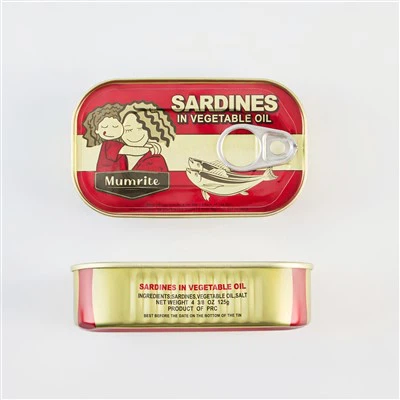
![Canned Fish Sardines]() Canned Fish SardinesCanned fish sardines are a popular seafood product that offers convenience, nutritional benefits, and versatility in the kitchen. Sardines are small, oily fish that are typically caught from the ocean.view more
Canned Fish SardinesCanned fish sardines are a popular seafood product that offers convenience, nutritional benefits, and versatility in the kitchen. Sardines are small, oily fish that are typically caught from the ocean.view more -
![Canned Tuna in Oil]() Canned Tuna in OilCanned tuna in oil is tuna preserved in a can with oil, typically olive oil. This process involves cooking the tuna, sealing it in a can with oil, and then heating the can to a high temperature to kill bacteria and create a vacuum seal....view more
Canned Tuna in OilCanned tuna in oil is tuna preserved in a can with oil, typically olive oil. This process involves cooking the tuna, sealing it in a can with oil, and then heating the can to a high temperature to kill bacteria and create a vacuum seal....view more -
![Canned Tuna 185G]() Canned Tuna 185GCanned Tuna 185G is tuna that has been preserved in a can through the process of canning. This process typically involves cooking the tuna, sealing it in a can with oil, water, or brine, and then heating the can to a high temperature to...view more
Canned Tuna 185GCanned Tuna 185G is tuna that has been preserved in a can through the process of canning. This process typically involves cooking the tuna, sealing it in a can with oil, water, or brine, and then heating the can to a high temperature to...view more -
![Canned Sardine 425G]() Canned Sardine 425GCanned Sardine refers to canned or tinned sardines, which are sardines preserved in cans. Sardines are a type of small, oily fish that are commonly used in canned fish products. They are a popular choice for meals on the go or as a...view more
Canned Sardine 425GCanned Sardine refers to canned or tinned sardines, which are sardines preserved in cans. Sardines are a type of small, oily fish that are commonly used in canned fish products. They are a popular choice for meals on the go or as a...view more -
![Canned Mackerel in Oil]() Canned Mackerel in OilCanned mackerel in oil refers to mackerel fish that has been cooked and preserved in a can, with oil used as the preserving medium. This oil is typically olive oil or vegetable oil, which helps to maintain the flavor, texture, and...view more
Canned Mackerel in OilCanned mackerel in oil refers to mackerel fish that has been cooked and preserved in a can, with oil used as the preserving medium. This oil is typically olive oil or vegetable oil, which helps to maintain the flavor, texture, and...view more -
![Canned Sardine 125G]() Canned Sardine 125GPremium Freshness & Nutrition: Made with sustainably sourced sardines, locked in fresh within hours of catch. Packed with omega-3 fatty acids, lean protein, and essential vitamins, they’re a healthy choice without compromising on rich,...view more
Canned Sardine 125GPremium Freshness & Nutrition: Made with sustainably sourced sardines, locked in fresh within hours of catch. Packed with omega-3 fatty acids, lean protein, and essential vitamins, they’re a healthy choice without compromising on rich,...view more -
![Spicy Canned Sardine]() Spicy Canned SardineSelecting plump, high-quality sardines from clean ocean waters, ensuring firm texture and rich umami.view more
Spicy Canned SardineSelecting plump, high-quality sardines from clean ocean waters, ensuring firm texture and rich umami.view more
Loaded with omega-3 fatty acids, high-quality protein, calcium, and vitamin D.
Delicious flavor anytime, anywhere. -
![High Quality Sardines]() High Quality SardinesPremium Sourcing & Freshness Guaranteeview more
High Quality SardinesPremium Sourcing & Freshness Guaranteeview more
Traditional Oil-Infused Craftsmanship with Modern Quality Control, qualified with BRC、ISO9001、HACCP、HALAL
Nutrient-Dense Superfood for Balanced Diets -
![Easy Open Canned Sardine]() Easy Open Canned SardinePremium Quality & Pure Taste: We hand-select the finest sardines, packed at their peak in high-quality oil to lock in a delicate, ocean-fresh flavor.view more
Easy Open Canned SardinePremium Quality & Pure Taste: We hand-select the finest sardines, packed at their peak in high-quality oil to lock in a delicate, ocean-fresh flavor.view more
Nutritional Powerhouse: An excellent source of natural Omega-3s, protein, and...


Canned fish is shelf-stable and won’t spoil quickly like other meats and fresh foods. As the fish is pre-cooked, it’s ready to eat right out of the can. A combination like this has historically offered an advantage in providing nutrition to the developing world where electricity and proper refrigeration may not always be available. As time has passed, the popularity and versatility of canned fish have helped it to become just as important in more modern economies as well.
For many that don’t have time to cook on a regular basis, canned fish is a quick and healthy food that brings a burst of natural energy to a busy schedule. It’s also a great way to skip the empty calories fast food offers. Whether you toss a few cans in a briefcase or a gym bag, canned fish works wonders for an empty stomach.

10 Types of Canned Fish and How to Use Them
Tuna
The world's most popular canned fish is, of course, tuna. It is high in protein and full of heart-healthy omega-3 fatty acids, but most importantly it is a very versatile ingredient, working well as the star ingredient in a sandwich, but also in pasta or a fresh Niçoise salad. Traditionally, the types of tuna you'll find in a can are albacore and skipjack, but the recent boom in canned fish has seen many more on offer, and some incredible quality available, such as bigeye, tongol, yellowfin and ventresca. It generally comes in brine, olive oil or vegetable oil, and is easy to find in glass jars and vacuum pack options too.
Herring
Especially popular in Nordic countries and Northern Europe, the canned herring is high in omega-3 fatty acids and other essential nutrients. While the pickled herring has a very distinct and strong flavour, canned herring is much milder but still has the character you expect from the Atlantic fish. In Sweden, canned, fermented herring is known as surströmming and is an iconic delicacy that is known to turn the stomach of those not used to its pungent odour and flavour.
Pink salmon
A very popular canned fish, salmon is usually farmed fish and packed into cans. The fish is cooked during the canning process, after the can is vented and heated to high temperatures for a sustained period of time. So, when you crack open a can of canned salmon, it is ready to eat immediately. Canned pink salmon is a good summer protein to add to salads or cold pasta dishes and is a healthy ingredient rich in vitamin D, protein, omega-3 fats, and calcium.
Sardines
One of the world’s best-loved small fishes, the sardine is considered a super food as it is high in omega-3. Sardines are also rich in vitamin D and calcium, and relatively low in mercury, in comparison to other canned fish. The fish are cooked before canning, either smoked or steamed and come in olive oil, vegetable oil or brine. The iconic sardine can, with the ring pull, is always tightly packed with fish, leading to the phrase of being ‘packed in like sardines,’ which has been used since the 1800s.
Mackerel
The Atlantic mackerel is a hugely underrated canned fish, with lots of flavour, albeit milder than anchovies or sardines. As it is a fattier fish, the mackerel is packed full of omega-3 and omega-6 fatty acids. Because mackerel is an easy catch and in plentiful supply, it can be a better value option too. Canned mackerel can be used in the same way as canned tuna, but makes an especially good fish pate with spring onion and zesty citrus.
Anchovies
This Mediterranean staple is an umami way to add flavour to so many dishes. Usually found in olive oil or vegetable oil, brine-filled pouches have become more popular recently. They are so versatile and add flavour to salads, pasta, omelettes or anything that needs a bang of flavour. The strong flavour of canned anchovies comes from the smoking process, while fresh anchovies, known as ‘alici’ in Italy have a much milder flavour and are often pickled.
Crab
Popular in the US and in Japan, canned crab meat can come from a variety of different crab species, but the West Atlantic blue crab is hugely popular. Usually, the crab is canned according to its different body parts and divided into white meat (main body, legs and claws) or the dark meat that comes from the top of the shell cavity. The claw meat, the most active part of the crab, is stronger in flavour. Canned crab can also include a mix of all body parts.
Mussels
These have been growing in popularity in recent times, as canned mussels are a great way to get their nutrient dense and delicious flavour into your cooking without the hassle of sourcing fresh mussels and all the cleaning and debearding that goes with their preparation. There are many artisan canned mussel options that offer smoked or mussels in escabeche.
Oysters
If you love oysters and their libidinous effect, then reach for a can of oysters when you can’t get fresh ones. Packed full of vital nutrients like Vitamin B1, B2 and B3, they also include copper and iron. Smoked oysters are a delicious ingredient for a spread on crackers, or as an addition to seafood salads or paella.
Trout
Freshwater fish are also available canned, trout probably the most common. Usually rainbow trout, the dark, oily fish meat packs a real punch. Crack open a can of trout to add to your charcuterie boards or to stir into a cold pasta salad; it’s a nutrient-dense ingredient that can sit in your pantry for months to be called upon at the last minute.
The Hidden Health Benefits of Canned Fish
Health benefits of canned tuna
Rich in protein and low in fat, canned tuna is a healthy lunch or dinner option. It’s also full of omega-3 fats that can improve blood vessel function, lower blood pressure and reduce the risk of cardiovascular disease. Canned tuna can be high in sodium, depending on what they are canned in, so check the percentages and choose one that is less than 400mg per 100g.
Health benefits of canned salmon
Oily fish, such as canned salmon, is rich in omega 3 fatty acids, which has been linked to reduced risk of heart disease, stroke, macular degeneration (eyes) and even dementia. Choose canned salmon with bones as it’s an excellent source of calcium – one small (95g) can contains as much calcium as 200ml of milk and over 15g of protein.
Health benefits of canned sardines
Canned sardines are a terrific source of omega 3 fatty acids, associated with numerous health benefits including reduced risk of heart disease, treatment of inflammatory conditions, reduced risk of breast cancer and improved mental health. Even better they are packed with protein and low in calories.
It's a great source of omega-3s
Omega-3 fatty acids are an essential fat—your body is not able to produce them, so they must be consumed through food or in supplements. Research, such as a 2019 article in International Immunology, shows that a diet rich in omega-3s can have a positive effect throughout the body, as these healthy fats are anti-inflammatory in nature. They help protect against heart disease by improving helpful HDL cholesterol, per a 2018 article in Food & Function. Omega-3 fatty acids also play a key role in joint health, as their anti-inflammatory nature has been shown to aid those with osteoarthritis, according to a 2022 review in Nutrients.
Fish varieties that are typically canned, like anchovies, salmon, sardines and tuna, are all great sources of omega-3 fatty acids. According to the 2020-2025 Dietary Guidelines of America, it's recommended that adults eat 8 ounces of seafood every week.
It lasts longer than fresh or frozen
It is estimated that 27% of all captured fish across the world is thrown away, according to a 2018 report from the Food and Agriculture Organization of the United Nations. This is most likely due to its shorter fresh food safety window. Along with being a less expensive option than fresh seafood, canned seafood is sealed in an airtight container and heated or preserved in salt, extending its shelf life to years instead of days. Even frozen fish, which is a less expensive option than fresh, doesn't retain the same quality for as long as canned fish.
Due to its shelf-stable nature, canned fish is a reliable, nutrient-dense protein option for those who have limited access to utilities. It's also a great option for travel, camping and picnic when refrigeration isn't an option.
It can be sustainable
Thanks to many companies prioritizing working with local fisheries and canneries that adhere to sustainable fishing practices, canned fish can be a sustainable seafood option. When looking for sustainable canned fish, check the can to make sure the fisheries are using environmentally friendly equipment. Pole-and-line-caught, pole-caught, troll-caught, FAD-free, free school and school-caught are all terms the Monterey Bay Aquarium Seafood Watch, a conservation program run by the Monterey Bay Aquarium, recommends looking for on canned fish, especially tuna. If you do not see any information about how the fish was caught, especially for tuna, there's a good chance it was harvested using an unsustainable method.
It's a great source of vitamin d & calcium
Vitamin D and calcium work in tandem to support healthy bones. While your body can make vitamin D with the help of sunlight, it's one of the hardest nutrients to get in your diet. However, canned fish such as tuna, salmon, trout and sardines are great sources of calcium and vitamin D. In fact, 3 ounces of salmon contains approximately 570 IU of vitamin D, which is 71% of the recommended Daily Value, according to the National Institutes of Health.
It's tasty & versatile
Quite possibly the best reason to eat canned fish is because it's flavorful and versatile, on its own or as an ingredient. Many types of canned fish, like octopus, squid and mussels, can be served directly from the cans with crackers but others are perfect for adding to recipes. Anchovies are essential for a classic Caesar salad, and canned salmon and tuna make incredible salmon burgers and tuna melts. Canned mussels, clams and sardines make showstopping pastas as well as high-protein salad toppers, and canned trout can be transformed into a restaurant-worthy spread.
Benefits of Eating Canned Tuna
Excellent source of dietary protein
Canned tuna is an accessible source of quality protein.
Proteins are the building blocks of most parts of the human body. Our cells, tissues, and even bones, use protein to build and repair.
Protein can also play a significant role in metabolism and appetite control. Protein helps you feel fuller, for longer. But beyond that, it impacts your levels of hormones ghrelin and peptide YY.
Ghrelin is a hunger hormone produced in the gut that sends signals to your brain, telling it to seek food. Simply put, the higher your levels of ghrelin, the hungrier you will feel, and the lower the levels of ghrelin, the more full and satiated you will feel. Protein induces suppression of ghrelin levels, leaving you feeling full.
Peptide YY is a hormone released in the stomach after eating. It travels through the bloodstream to the brain where it binds with receptors that decrease appetite and create the sensation of fullness. Peptide YY also slows down the movement of food through the digestive tract further increasing the sensation of fullness. High protein intake is linked to greater release of Peptide YY into the bloodstream.
A single serving of Safe Catch Elite canned tuna can provide over 20 grams of protein!
Source of omega 3s
Omega 3 fatty acids are an essential part of a healthy diet. They are considered essential fats because our bodies are unable to produce them, meaning we have to get them through our diets.
Omega 3s are found in a number of foods like avocado, nuts and seeds like chia, flax and walnuts, eggs, and soy. But, one of the best sources of these healthy fats is fatty fish like tuna, salmon, mackerel, and sardines.
When it comes to our health, omega 3s are very important. They have been shown to play a significant role in eye health and can improve cardiovascular risks. Some studies have even found that omega 3s may reduce instances of depression.
Low calories
Canned tuna is a near-perfect healthy food because it provides important protein and omega 3s without adding significant calories.
Calorie consumption is a significant detail for people looking to lose weight or maintain a healthy weight, or for people combating conditions like type 2 diabetes or metabolic syndrome.
Having an option on hand, like canned tuna, that will give you a significant amount of the good things you need, without adding to your daily caloric intake, is a massive benefit.
Seasoned cans of tuna will have a slightly higher calorie total than cans of pure tuna so if you are concerned about calories, be sure to read the label first.
Long shelf life
Tuna steaks are lovely but they won’t keep if you don’t eat them shortly after purchase.
Canned tuna has a long shelf life which means you can buy it, have it on hand, and not have to worry about wasting money on something that may spoil before you get a chance to eat it.
Most brands of canned tuna will last in your pantry for 2-5 years. This means you can fill your pantry or stock your dorm room, and rest easy knowing you have a go-to meal or snack whenever you want!
Affordable
Canned tuna is a remarkably affordable protein. For just a few dollars, you get a can of delicious, nutritionally dense fish that can be used in a variety of different ways.
Tuna is an affordable way to elevate school lunches or get creative at dinner. Need an affordable brunch recipe? Canned tuna is the answer!Convenient
Canned tuna is easy. You do not need to cook or spend a lot of time prepping. With just a few pantry staples or a loaf of bread, you have a meal. You can dress it up as much as you like or eat it on its own.
Our Factory
Ningbo Kenale Food Co., Ltd. is located in Ningbo, China, where is the one of the biggest ports in China. With much experience of the canned food and abundant materials resources, we'll serve you more competitive prices and stable quality in your market. Our factories have established an effective food safety and quality guarantee system. We have passed GAP authentication. It is also certified by the authentication of ISO 9001, BRC, HACCP, HALAL etc.Our factory is very close to the seaport, the trans-portation is very convenient and the cost is more competitive.We're dealing with Africa, South America & other markets very long time. We wish to expand more business with friends in all of the world to create a brilliant future on the base of mutual benefits.We warmly welcome all the customers from everywhere to visit our company.


FAQ
We're professional canned fish manufacturers and suppliers in China, specialized in providing high quality OEM&ODM service. We warmly welcome you to buy customized canned fish at competitive price from our factory.
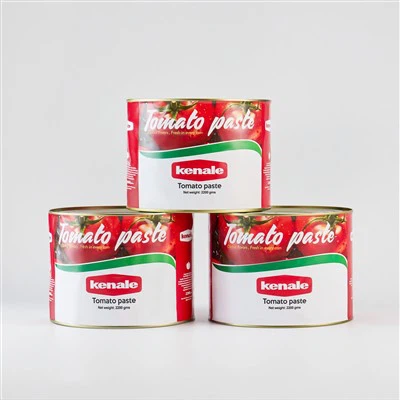
Drum Tomato Paste, Canned Lychee in Syrup, Canned Tomato Paste Brix 28 30