Why Choose Us
Production Market
Based on much competitive price, high quality control system, on time shipment and good after-sale service, we have export the products to supermarkets and wholesalers of Europe, Africa, and Southeast Asia.
Professional Team
We have a professional team including R&D, production, sales and service personnel. This team is able to ensure the smooth operation of the company, while continuously promoting its development and innovation.
Our Certificate
We have passed GAP authentication. It is also certified by the authentication of ISO 9001, BRC, HACCP, HALAL etc.
Geographical Advantage
Our factory is close to the seaport, which makes transportation very convenient and cost more competitive.
Tomato paste is a pantry staple made from concentrated tomatoes that adds intense, tomatoey flavor to all sorts of dishes without adding extra moisture.
Tomato paste is made from whole tomatoes that are cooked, strained to remove seeds and skins, then cooked again to evaporate moisture. The result is a thick, smooth, deep-red paste with a sweet, highly concentrated flavor. Tomato paste can be pure, with no ingredients other than tomatoes, or may contain small amounts of salt, sugar, herbs and spices and sometimes citric acid as a preservative.
-
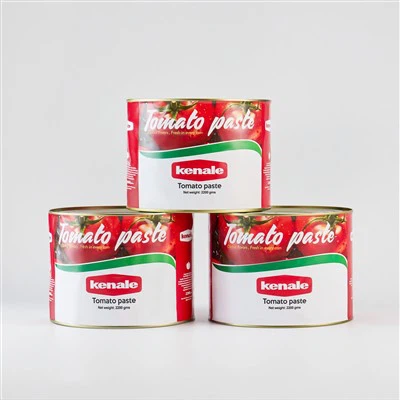
![Tomato Paste 2.2KG]() Tomato Paste 2.2KGSize: 70G*50 Tins/Ctnview more
Tomato Paste 2.2KGSize: 70G*50 Tins/Ctnview more
70G*100 Tins/Ctn
210G*48 Tins/Ctn
400G*24 Tins/Ctn -
![Tomato Paste 2200g]() Tomato Paste 2200gTomato paste 2200gare produced and concentrated in China without any coloring or added salt, providing a great taste and mouthfeel with high quality from sustainable and reliable source.view more
Tomato Paste 2200gTomato paste 2200gare produced and concentrated in China without any coloring or added salt, providing a great taste and mouthfeel with high quality from sustainable and reliable source.view more -
![Double Concentrate Canned Tomato Paste]() Double Concentrate Canned Tomato Paste800G*12 Tins/Ctn:2050 Ctnsview more
Double Concentrate Canned Tomato Paste800G*12 Tins/Ctn:2050 Ctnsview more
850G*12 Tins/Ctn:1950 Ctns
2200G*6 Tins/Ctn:1700 Ctns -
![Canned Tomato Paste Brix 28-30]() Canned Tomato Paste Brix 28-30400G*24 Tins/Ctn:2080 Ctnsview more
Canned Tomato Paste Brix 28-30400G*24 Tins/Ctn:2080 Ctnsview more
800G*12 Tins/Ctn:2050 Ctns
2200G*6 Tins/Ctn:1700 Ctns -
![Concentrate Tomato Paste]() Concentrate Tomato Paste400G*24 Tins/Ctn:2080 Ctnsview more
Concentrate Tomato Paste400G*24 Tins/Ctn:2080 Ctnsview more
800G*12 Tins/Ctn:2050 Ctns
850G*12 Tins/Ctn:1950 Ctns -
![Canned Tomato Paste 70G]() Canned Tomato Paste 70G400G*24 Tins/Ctn:2080 Ctnsview more
Canned Tomato Paste 70G400G*24 Tins/Ctn:2080 Ctnsview more
800G*12 Tins/Ctn:2050 Ctns
2200G*6 Tins/Ctn:1700 Ctns -
![Hard Open Canned Tomato Paste]() Hard Open Canned Tomato Paste400G*24 Tins/Ctn:2080 Ctnsview more
Hard Open Canned Tomato Paste400G*24 Tins/Ctn:2080 Ctnsview more
800G*12 Tins/Ctn:2050 Ctns
850G*12 Tins/Ctn:1950 Ctns -
![Easy Open Canned Tomato Paste]()
-
![Tomato Paste 400g]() Tomato Paste 400g70G*100 Tins/Ctn:2480 Ctnsview more
Tomato Paste 400g70G*100 Tins/Ctn:2480 Ctnsview more
210G*48 Tins/Ctn:1895 Ctns
400G*24 Tins/Ctn:2080 Ctns -
![Tomato Paste in Can]() Tomato Paste in Can210G*48 Tins/Ctn:1880 Ctnsview more
Tomato Paste in Can210G*48 Tins/Ctn:1880 Ctnsview more
400G*24 Tins/Ctn:2080 Ctns
850G*12 Tins/Ctn:1960 Ctns -
![Sachet Of Tomato Paste]() Sachet Of Tomato Paste50g*50 sachet:5750cartons/20’containerview more
Sachet Of Tomato Paste50g*50 sachet:5750cartons/20’containerview more
70g*50 sachet:4700cartons/20’container
210g*48 sachet:1900cartons/20’container -
![Drum Tomato Paste Brix 36-38 CB]() Drum Tomato Paste Brix 36-38 CBName:Drum Tomato Paste Brix 36-38 CBview more
Drum Tomato Paste Brix 36-38 CBName:Drum Tomato Paste Brix 36-38 CBview more
Color:Red
Weight (kg):230-250
Processing Type:cold break and hot break


Improve heart health
Everyone’s got a ticker that they need to look after, and one of the best ways you can do that is with tomatoes. Some people take care of their hearts with lycopene supplements, but did you know that tomatoes are a rich and natural source of lycopene? Lycopene is the antioxidant that gives tomatoes their red color, and it can help reduce heart disease.
Lycopene reduces free-radical damage and “bad” cholesterol levels while promoting “good” cholesterol levels. In one ten-year study, people with diets rich in lycopene had a 17-26% lower risk of heart disease.
Another benefit of consuming lycopene is reduced risk of developing certain cancers, like lung and prostate cancer. Studies show that diets high in carotenoids (which include lycopene) result in a 32-50% lower risk of lung and prostate cancers.
Improve digestive health
Tomatoes contain a lot of water, and a whole heap of fiber, as much as 1.5 grams. Fiber is a magical carbohydrate that the body can’t fully break down, but it helps your digestive system chug along at a regular and healthy pace. If you are prone to constipation or looking for a high fiber diet to lower cholesterol and help maintain blood sugar levels, tomato sauce can help.
A Huge source of essential vitamins
One of the most important health benefits of tomato sauce is that it’s an excellent source of vitamin C, A, and K, all of which offer incredible benefits to your body. Vitamin C helps your body reduce the risk of chronic disease, manages high blood pressure, lowers the risk of heart disease, prevents iron deficiency, boosts immunity, and helps protect memory. Vitamin A helps your immunity as well while supporting vision and skin health. And vitamin K is vital for blood clotting prevention and bone metabolism.
Make your bones stronger
Tomatoes contain significant amounts of calcium and vitamin K. We know that vitamin K is important for bone metabolism. Still, in combination with calcium, your bones will be stronger and more resilient to damage. Even better, your bones will be more capable of healing if minor damage occurs.
Improve gut health
One of the more surprising health benefits of tomato sauce is its positive effect on your gut health. The gut and got bacteria are two things science has been keeping a close eye on lately, especially regarding how they affect your overall health.
You might have heard of probiotic foods, like yogurt or kimchi, which help increase the good bacteria in your gut. Well, science is discovering that tomatoes have probiotic properties, helping to improve our good gut bacteria. One of the more important bacteria is called L. reuteri, and it helps with your intestinal, oral, and general health. When prepared as a sauce, the positive effects of L. reuteri are enhanced. That means you can expect more work from the stuff in your gut that keeps you healthy.
Tomato Sauce vs. Tomato Paste: What’s the Difference?
Tomato sauce and tomato paste differ in the amount they have been cooked to eliminate moisture. Tomato sauce is pourable, while tomato paste is thick enough to hold a spoon upright. Tomato sauce is also typically flavored with herbs, spices, salt and olive oil, while tomato paste generally has only trace amounts of seasonings. That said, in a pinch you can substitute tomato sauce or purée for paste by increasing the amount and adjusting for excess moisture.
What Is Tomato Paste Used For?

Tomato paste brings a number of things to a dish: A burst of the meaty, savory flavor known as umami, concentrated sweetness, mild acidity and thickening quality. It’s often added to reinforce and add depth to the taste of tomato-based dishes like marinara or tomato soup. It’s also added to braises and stews for depth of flavor without being recognizably tomato-y. Since it contains very little liquid, it’s often in dishes like chilis or casseroles that need to stay thick or firm.
Tomato paste is typically added at the beginning of cooking, often briefly sautéed in olive oil. You may have seen recipe instructions to add paste to your pan and cook, stirring, until it “turns brick-red”; This process caramelizes the natural sugars in paste, deepening its flavor, so don’t skip it.
How to Store Leftover Tomato Paste
Most recipes use only a tablespoon or two of tomato paste so it’s important to know how to store leftovers. If you buy your paste in a tube the answer is simple: Make sure it’s rolled from the bottom to remove air, screw the cap back on and refrigerate it for up to several months. If you buy a can you have a couple options, but keeping it the can isn’t one of them; The paste will quickly oxidize and turn black around the edges, taking on an off flavor and eventually growing mold. Transfer it instead to a small airtight container and refrigerate it. The USDA recommends that you use leftovers in 5 to 7 days, so freezing it is a good option too.
How to Freeze Tomato Paste
Since most recipes call for small quantities of paste, it’s most convenient to measure out 1- or 2-tablespoon portions. Either press them into an ice-cube tray (spray it with cooking spray for easy release) or dollop them on a parchment-lined plate. Place the tray or plate in the freezer until solid, 1 to 2 hours, then transfer the frozen chunks to a resealable bag. Label the bag with the quantity of the chunks so you’ll be able to remove just the amount you need for future recipes. You can usually add them directly, no need to thaw them first.
Ingredients
Essentially, tomato paste is tomato sauce that has been reduced until the liquid boils off and a thick paste is formed. Therefore, the only ingredient you really need is tomato sauce. It can be canned or a fresh tomato sauce you made at home.
Preparation
To transform your sauce into a paste, simply heat tomato sauce in a pan. Let it simmer and stir it constantly until it is reduced by half. This should take around 10 minutes and produce about 7 ounces of paste from a 15-ounce can of sauce. The average small can of tomato paste is 6 ounces, so make adjustments to fit your recipe.
This can be a messy process because the sauce will bubble. To avoid splatters all over your kitchen, use a splatter screen on top of your pan. If you don't have one, a fine-mesh strainer may work if it's large enough to cover the pan. If you don't have either option, reduce the heat so the sauce doesn't bubble as much and be patient because it will take a little longer to reduce.


Canned or fresh tomatoes
There may also be times when you don't have either tomato sauce or paste in the pantry. If you have fresh or canned tomatoes, you can use those instead.
For this method, blend chopped tomatoes in your blender or food processor until they're smooth. Pour this puree into a pan and heat it on the stove using the same method suggested for tomato sauce. It will likely take two or three times as long to reduce, but it will eventually turn into a paste.
Freeze your paste
Tomato paste is often used in very small amounts, so you may have made too much. Rather than throw it away, freeze the leftovers so you have paste on hand for the next time you need it. This is a good idea anyway because you can turn your homegrown tomatoes into both a sauce and a paste and avoid buying those cans at the store.
Once it has cooled, transfer your tomato paste to freezer jars or another freezer-safe container. Be sure to allow at least one inch of headspace for expansion. For smaller servings, freeze the paste in ice cube trays then transfer them to a plastic freezer bag once frozen. For the best quality, use the paste within a year.
Why You Need Tomato Paste in Your Pantry
The benefit of using tomato paste over other canned tomatoes (like tomato puree, crushed tomatoes or diced tomatoes) or even fresh tomatoes, is that you get the deep tomato flavor without all the extra water, making it great for recipes where you don't want a ton of liquid, like meatloaf or taco filling. Tomato paste can be used to intensify flavor over time in slow-cooked recipes or can quickly add a burst of flavor in quick 30-minute recipes for weeknights. To get the most flavor potential out of your tomato paste, plan to add it early on in the cooking process before adding liquids like water, broth or other canned tomatoes. This way, the tomatoes have the chance to caramelize and develop even further.
How to Save Canned Tomato Paste
The next time you have leftover tomato paste, portion it out into 1-tablespoon servings and freeze them for easy use down the road. The next time you're cooking with tomato paste, you can use exactly what you need for the recipe. Here's how to do it:
1. Place a layer of parchment paper on a large plate.
2. Using a 1-tablespoon measure (or just use a spoon and eyeball it), scoop out any remaining tomato paste onto the parchment paper.
3. Pop the plate in the freezer for about an hour or until the tomato paste is firm to the touch.
4. Store the tomato paste balls together in a freezer bag or tightly sealed container, and you'll always be ready when a recipe calls for tomato paste!
How to Make Tomato Sauce From Fresh Tomatoes
Ingredients you'll need
• Tomatoes (about 5 to 6 pounds for every quart of sauce that you want to make)
• Chopped onions (1 medium onion per 1 quart of sauce)
• Minced garlic (1 to 1 1/2 cloves per quart)
• Olive oil
• Dried basil (1/2 teaspoon per 1 quart)
• Dried Oregano (1/2 teaspoon per 1 quart)
• Salt
• Pepper
Blanch the tomatoes
Start by plunging your tomatoes into boiling water for 1 to 2 minutes. This will loosen their skins, so they're much easier to remove later. Then, rinse the tomatoes in cool water to stop the cooking process, and set them aside to cool and drain.
Remove the skins, stems, and seeds
Once the tomatoes are cool enough to handle, remove their skins, and cut out the spot where the stems used to attach to the tomatoes (this is referred to as coring the tomatoes). Then, slice the tomatoes in half, and scoop out the seeds. Don't worry if you miss some. A few left behind won't hurt.
Saute the onion and garlic
Add about a 1/4 cup of olive oil to a large pot. Then, saute the onions and garlic until they're soft (a few minutes should do it).
If you'd like to add carrots or peppers to your sauce, saute them along with the onions and garlic.
Combine all the ingredients and cook
Add the tomatoes and all of the remaining ingredients to your onion-garlic mixture, and bring the pot to a boil. Then, reduce the heat, and simmer uncovered until the sauce reaches your desired thickness. Stir frequently to keep the sauce from burning. This will take at least 2 to 3 hours but could take longer if there's a lot of water in your tomatoes (non-paste tomatoes tend to have more water content, but so do tomatoes grown during rainy years).
Jar your sauce
Pour your finished sauce into jars. Use freezer jars if you want to freeze your sauce or canning jars if you'd like to can your sauce for shelf-stable storage.
Note: To safely water-bath can tomato sauce, you must add lemon juice to boost the acidity. Tomatoes aren't as acidic as they used to be.
Our Factory
Ningbo Kenale Food Co., Ltd. is located in Ningbo, China, where is the one of the biggest ports in China. With much experience of the canned food and abundant materials resources, we'll serve you more competitive prices and stable quality in your market. Our factories have established an effective food safety and quality guarantee system. We have passed GAP authentication. It is also certified by the authentication of ISO 9001, BRC, HACCP, HALAL etc.Our factory is very close to the seaport, the trans-portation is very convenient and the cost is more competitive.We're dealing with Africa, South America & other markets very long time. We wish to expand more business with friends in all of the world to create a brilliant future on the base of mutual benefits.We warmly welcome all the customers from everywhere to visit our company.


FAQ
We're professional tomato paste manufacturers and suppliers in China, specialized in providing high quality OEM&ODM service. We warmly welcome you to buy customized tomato paste at competitive price from our factory.
Spicy Canned Sardine, Canned Fruit Lychee, Canned Fish