



Why Choose Us
Production Market
Based on much competitive price, high quality control system, on time shipment and good after-sale service, we have export the products to supermarkets and wholesalers of Europe, Africa, and Southeast Asia.
Professional Team
We have a professional team including R&D, production, sales and service personnel. This team is able to ensure the smooth operation of the company, while continuously promoting its development and innovation.
Our Certificate
We have passed GAP authentication. It is also certified by the authentication of ISO 9001, BRC, HACCP, HALAL etc.
Geographical Advantage
Our factory is close to the seaport, which makes transportation very convenient and cost more competitive.
Canned mackerel in oil refers to mackerel fish that has been cooked and preserved in a can, with oil used as the preserving medium. This oil is typically olive oil or vegetable oil, which helps to maintain the flavor, texture, and freshness of the mackerel. Canned mackerel in oil is a convenient and shelf-stable way to enjoy mackerel, which is a nutritious fish high in protein, omega-3 fatty acids, and other essential nutrients. It can be used in a variety of dishes or enjoyed as a standalone meal.

Our Canned Mackerel 155G are highly popular in the Nigerian market, and we are suppliers to many local brands such as De-elo, Ochra, Sarah, Pigeon, and more. We offer a variety of flavors and types of fish canned goods to cater to different consumer preferences. Common flavors include original, spicy, lemon-flavored, and more.

Canned Pilchard In Tomato Sauce
Canned Pilchard in Tomato Sauce is made from fresh pilchard fish and tomato sauce. Pilchard fish is known for its rich flavor and nutritional benefits, while the tomato sauce adds a tangy and savory taste.The combination of pilchard fish and tomato sauce creates a delicious and harmonious taste. The tomato sauce adds a pleasant acidity and sweetness, complementing the natural flavors of the fish.It offers a convenient and ready-to-eat option for seafood lovers.
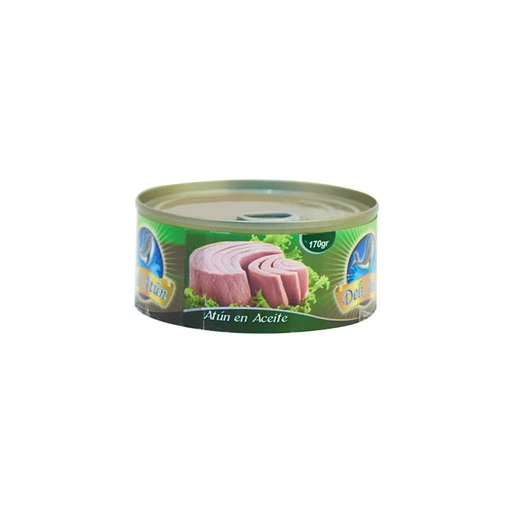
Our Canned Tuna 185G comes from the vast ocean, harvested at the peak of perfection. Only when the tuna is in its prime health, do we carefully process and pack it into cans. Each bite allows you to savor the freshness of the sea, transporting you to coastal bliss.

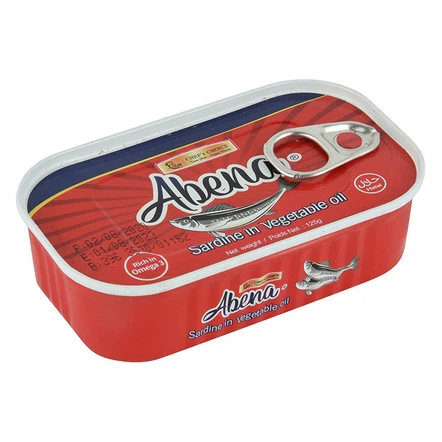
Easy Open canned sardines feature a user-friendly design that allows for easy and quick opening. No need for can openers or other tools-simply pull the tab and the can lid easily lifts open.The Easy Open design helps maintain the freshness of the product. Once opened, you can enjoy a portion of the sardines and conveniently reseal the can to keep the remaining fish fresh.Sardines are small, oily fish that are commonly found in oceans and seas. They are known for their rich flavor and high nutritional value.

We take pride in offering high-quality Canned Sardine 425G products that add deliciousness and nutrition to your meals. Our sardines are carefully sourced and processed to ensure optimal freshness and quality.
Our Canned Sardine 425G products come in a variety of packaging and processing options to cater to different consumer preferences. Whether you prefer canned sardines, marinated sardines, or frozen sardines, we have the perfect choice for you.

Our Canned The 425g packaging size offers a generous quantity of canned mackerel, making it suitable for larger meals or for individuals who consume mackerel regularly. It is convenient to have a larger can on hand when preparing meals for a family or for multiple servings. Our Canned Mackerel 425G are incredibly convenient and easy to store and consume. With no additional cooking required, simply open the can and enjoy the delicious mackerel, making it perfect for the fast-paced modern lifestyle.

These spicy canned sardine are infused with chili peppers or other spicy seasonings, providing a unique and fiery taste. They cater to consumers who enjoy spicy food and crave a flavorful kick.Sardines are a rich source of protein, healthy fats, vitamins, and minerals. Spicy canned sardine retain these nutritional.

We take pride in offering high-quality Canned Sardine 125G products made in China, available for sale in Ghana. Our Canned Sardine 125G have gained popularity for their taste, quality, and nutritional value. We are committed to providing Ghanaian consumers with high-quality sardine products made in China while ensuring food safety and quality standards. Our team monitors the entire supply chain to ensure you receive reliable products and exceptional service.

Canned Mackerel In Tomato Sauce
Canned Mackerel In Tomato Sauce is typically made from fresh Mackerel. Fresh Mackerel is carefully selected and processed to ensure only high-quality fish is used for canning.Canned Mackerel In Tomato Sauce has excellent shelf life and can be stored for an extended period while retaining its freshness and texture. The sealed cans prevent air and bacteria from entering, thereby extending the product's shelf life.
Whether you have it fresh or canned, mackerel has several health benefits to offer. Here are a few ways that eating mackerel might boost your health.
May improve heart health in adults
Research studies have shown that heart-healthy polyunsaturated fats (including omega-3 fatty acids DHA and EPA) can help reduce the rate of incidence and death from cardiovascular disease.6Many studies also have shown that fish oil supplements can help lower triglycerides without raising other types of cholesterol.
For the prevention of heart disease, some health practitioners may suggest that those with coronary heart disease take a fish oil supplement to get enough of the important omega-3s.6 But the American Heart Association suggests that healthy individuals consume fish at least twice per week and suggest that you choose fatty fish when possible. Mackerel is one type of fish that the organization lists as a suggestion.
May reduce risk of age-related cognitive decline
Researchers have proposed that the consumption of seafood may prevent age-related cognitive decline. Several studies have indicated that consumption of foods (like fish) that provide EPA and DHA has been linked to improved cognitive function in those with very mild Alzheimer's disease.
But in a large prospective cohort study of nearly 6000 women, researchers found that the type of fish consumed played a role in the benefit. In their analysis, they determined that the total consumption of seafood did not result in any improvement in verbal memory or global cognition. But women who consumed dark-meat finfish (including mackerel) at least one time each week had significantly better verbal memory.
May improve cardiometabolic health in children
Since evidence suggests that consumption of fatty fish may provide health benefits in adults, researchers are beginning to examine how fatty fish intake may improve development and health in children. One novel research study conducted on children in 2019 was published in the American Journal of Clinical Nutrition.
The study included almost 200 8- or 9-year old children who received either oily fish or poultry for 12 weeks. Researchers found that those who consumed fish showed improved triglyceride levels and HDL cholesterol levels with no negative impact on blood pressure, heart rate variability, glucose homeostasis. Study authors concluded that recommendations for fish intake in children would be helpful to improve initiatives to increase children's intake of oily fish.
May help prevent anemia
Mackerel can provide a good nutritional basis for the prevention of anemia that results from nutritional deficiencies. The fatty fish contains iron, vitamin B12, and some folate. A deficiency in any of these micronutrients can lead to certain types of anemia. Symptoms of anemia can include muscle weakness, disturbed vision, extreme tiredness, along with other serious complications, like infertility.
The National Institutes of Health suggests that we consume foods like fish, shellfish, and meat to help prevent anemia. They also suggest that you can consume plant-based foods that are rich in iron but the iron in fish and meat is more readily absorbed by the body.
May reduce risk for type 2 diabetes
Prospective studies have shown that a high intake of foods containing saturated fat is associated with an increased risk of type 2 diabetes. On the other hand, a high intake of polyunsaturated fat reduces the risk. Whether polyunsaturated fats from marine (fish) or vegetable (plant) sources affect glycemic regulation differently in type 2 diabetes remains unclear.
The American Diabetes Association lists fish high in omega-3s, including mackerel, on their list of top 10 superfoods. They recommend eating fish twice per week to improve overall health and prevent disease.
Canned Mackerel in Oil Is Highly Nutritious
Mackerel is one of the most nutritious fishes. They are rich in B2, B3, B6, and B12, and vitamin D. The flesh contains essential minerals like copper, selenium and iodine. They contain vitamin B1 and generous amounts of iron too. Combine these with lean protein and the healthy omega-3 fats, they are nutritional powerhouse.
Since, mackerel being the best sources of omega-3 fatty acids, it helps your heart and brain health. About 85 grams cooked Pacific or Atlantic mackerel may contain over 1,000 milligrams of omega-3 fats. It is much more than what you would find in most other seafoods.
Another benefit of eating mackerel is that they contain significantly higher amounts of good unsaturated fats. Thus, saturated fats that increase bad cholesterol is in lesser quantity. In fact, mackerel contains almost 77 percent of unsaturated fats.
Canned Mackerel In Oil Benefits
Mackerels are oily fish. They have high amounts of the healthy omega-3 fats. So, these good fats are beneficial to reduce blood pressure and decrease the bad cholesterol in your body. Many research shows that people who eat mackerel regularly have lower blood pressure. The consumers have lower cholesterol in their blood too.
Mackerel is nutrient rich fish. It is very popular seafood. Hence, it has a great commercial value across the world. Due to their oily and firm flesh, mackerel make an excellent food. People mostly catch mackerel for food and sometimes for sport. Thus far, most fish lovers consider them as a great food source. They are great food choice for their incredible flavour and many health benefits. Mackerel is rich in protein with much less calories than chicken and beef.
Unopened Cans
Should be stored in a cool, dry and ventilated place, avoiding direct sunlight and high temperature environment.
Cans should be placed smoothly to avoid stacking too high which may cause deformation or damage to the cans.
Check the bottom and sides of the cans for damage or corrosion, if any, do not consume.
Opened Cans
Once opened, they should be consumed as soon as possible as the food inside the cans will come into contact with air and start to oxidize and spoil.
If it is not possible to consume all at once, transfer the remaining mackerel to a clean container and cover the surface with clean oil (e.g. olive oil) to slow down the oxidation process.
Chill the transferred mackerel in the refrigerator to extend the shelf life.
Processing Technology of Canned Mackerel in Oil
Raw material: Select chilled or frozen mackerel with complete body, elastic muscle, bone and flesh connection, weighing more than 0.4 kg, and do not use spoiled fish.
Raw material treatment: Chilled or half-thawed mackerel, wash with running water (water temperature does not exceed 20 ℃), remove fins, cut the head diagonally along the back of the gill bone, remove the viscera (can not break the fish gallbladder), wash the abdominal cavity in running water, black membrane and blood stains (washing time as short as possible, so as to avoid separation of bone and flesh), and then repair the discoloration or with the black membrane of the abdominal meat. Cut the fish into pieces 4 to 5 centimeters long.
Salting: Prepare a 20-bromine brine with cold water at a ratio of 1:1.5 between the brine and the fish, and salting for 25 minutes. Stir frequently during salting. After salting, rinse with water and drain.
Canning: Use tinplate cans with acid- and sulfur-resistant coating. In order to prevent the fish pieces from sticking to the cans, wipe 1 layer of refined vegetable oil at about 100℃ evenly on the inner wall of the cans before canning, and then load the raw fish pieces vertically, with no more than 5 pieces in each can, which should be arranged neatly.
Dewatering: Dewatering by steaming method at 100℃ for 30~50 minutes. After dehydration, invert the can immediately to control the soup in the can, and then put the can back to the right position.
Refueling: Pour away the soup cans, each can should be quickly refilled with refined vegetable oil.
Sealing: Vacuum sealing cans, the vacuum degree of 0.05 MPa above.
Sterilization: Cooling; Using high-pressure steam sterilization, sterilization formula 10 ~ 70 ~ 15 / 118 ℃. After sterilization, the cans are cooled to about 40 ℃, removed and wiped cans into storage.
Canned Mackerel in Oil

To make canned mackerel in oil, do the following:
- Select favorite mackerel.
- Clean the fish and remove the viscera, head and blood.
- Cut the fish into pieces of appropriate length according to the type and size of the fish.
- Marinate the fish pieces in salt, sugar or other seasoning, which helps to add flavor and prevent spoilage.
- Place the marinated fish pieces in a clean, airtight jar and add olive oil or other vegetable oil, making sure the oil completely covers the fish pieces.
- Spices such as fennel, allspice, cinnamon and ground black pepper may be added for extra flavor.
- Gently close the lids of the jars, but do not screw them on too tightly, and then place the jars in the oven or in a specialized canning sealer and seal the jars at the desired temperature and for the desired amount of time.
- Once the sealing process is complete, remove the jars from the oven and allow them to cool completely.
- Store the sealed cans in a cool place or in the refrigerator, where they will keep for weeks to months, depending on the preservation method used and the freshness of the fish.
Precautions When Consuming Canned Mackerel in Oil
The following precautions should be taken when consuming canned mackerel in oil.:
Inspection of cans: Before consumption, cans should be carefully inspected for signs of damage, leakage or swelling. These may be signs of bacterial growth inside the can or spoilage of the food, and should not be consumed.
Preservation conditions: Once the can has been opened, it should be consumed as soon as possible as the food inside will come into contact with air and begin to oxidize and spoil. If it is not possible to consume the whole thing at once, the remaining mackerel should be transferred to a clean container and the surface covered with clean oil (e.g. olive oil) and then refrigerated.
Serve warm: Although canned mackerel in oil can be eaten straight away, it may be safer and tastier to serve it warm. Heating kills any bacteria that may be present and ensures food safety. The contents of the can can be poured into a saucepan and heated to a lukewarm state before serving.
Be aware of allergies: Some people may be allergic to fish or certain seasonings. Before consuming canned mackerel in oil, make sure you are not allergic to these ingredients.
Moderate consumption: Although mackerel is rich in nutrients, canned food is usually high in salt and oil. Therefore, you should eat them in moderation to avoid excessive intake of salt and oil.
Pay attention to the expiry date: Although canned food can be kept for a longer period of time, pay attention to the expiry date on the can and consume it within the shelf life. Expired canned foods may no longer be safe to eat.
Clean hands: Make sure your hands are clean when opening and eating canned food to avoid bacterial contamination.
Our Factory
Ningbo Kenale Food Co., Ltd. is located in Ningbo, China, where is the one of the biggest ports in China. With much experience of the canned food and abundant materials resources, we'll serve you more competitive prices and stable quality in your market. Our factories have established an effective food safety and quality guarantee system. We have passed GAP authentication. It is also certified by the authentication of ISO 9001, BRC, HACCP, HALAL etc.Our factory is very close to the seaport, the trans-portation is very convenient and the cost is more competitive.We're dealing with Africa, South America & other markets very long time. We wish to expand more business with friends in all of the world to create a brilliant future on the base of mutual benefits.We warmly welcome all the customers from everywhere to visit our company.


FAQ
Hot Tags: canned mackerel in oil, China canned mackerel in oil manufacturers, suppliers, factory, Easy Open Canned Sardine, Pineapple Chunks in Syrup, Canned Sardine 425G, Condiment, Canned Tomato Paste Brix 28 30, Canned Tomato Paste 70G


