As global seafood resources tighten and consumers seek safer, healthier, and more convenient protein options, a quiet shift is happening on store shelves and dinner tables alike: canned mackerel, especially in tomato sauce, is emerging as one of the most versatile and sustainable fish products available.
Once overlooked in favor of tuna or sardines, mackerel is now being recognized for its nutritional strength, wide availability, and bold, satisfying flavor - and in many African markets, it's quickly gaining ground as a pantry essential.
A Changing Ocean: Resource Pressure Creates New Preferences
For years, tuna has dominated the canned fish category globally - available almost everywhere, deboned, skinless, and convenient. But overfishing concerns, rising costs, and limited availability in certain African markets have made tuna less accessible to many local consumers.
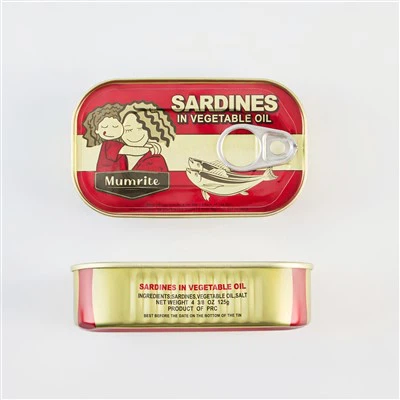
Sardines, once a widely available and affordable alternative, are now also facing supply pressure. In North Africa, particularly Morocco, sardine exports are under tighter control as authorities attempt to protect depleting marine stocks.
This shift in supply has opened the door for a new contender: mackerel.
Why Mackerel Makes Sense - Especially in Tomato Sauce
Unlike sardines, mackerel is still abundant, especially the species used in canning (such as chub or Atlantic mackerel). When processed and packed in tomato sauce, it offers a winning combination of flavor, convenience, and nutrition that resonates with a broad range of consumers.
- Deboned and skinned: No bones, no waste - just clean, flaky fish.
- Rich in Omega-3: Supports heart health and brain function.
- High in protein, low in fat: Ideal for health-conscious or weight-conscious consumers.
- Sterilized for safety: Free from parasites and food-borne bacteria.
- No strong odor: The tomato sauce helps mask any "fishy" smell, making it more appealing and versatile.
- Shelf-stable and heat-resistant: Perfect for regions without reliable refrigeration.
In short: safe, tasty, nutritious - and ready to eat anywhere, anytime.
What's Driving the Rise of Canned Mackerel in Africa?
In West Africa and Central Africa, canned mackerel is no longer just a backup food - it's becoming a staple. Several factors are accelerating this trend:
- Affordability: Compared to tuna and high-grade sardines, mackerel offers better value for money with similar or superior nutrition.
- Familiar flavors: Packed in tomato sauce, it aligns perfectly with local taste preferences and integrates well into stews, sauces, and rice dishes.
- Versatility: Eaten hot or cold, as part of main meals or quick snacks - it's adaptable to home kitchens, hotels, and mobile food vendors alike.
- Long shelf life: In regions with high temperatures and unstable electricity, canned mackerel offers security - a reliable protein source, anytime.
A Sustainable Choice for a Changing Future
As the pressure on marine ecosystems continues to grow, both governments and suppliers are looking for fish species that can be caught responsibly and at scale. Mackerel fits that profile.
It's fast-growing, migratory, and widely available - making it a more sustainable alternative to overfished species, and an important part of global food security conversations.
Final Thought: Not Just a Substitute - A Category of Its Own
Canned mackerel in tomato sauce isn't just filling a gap left by tuna and sardines. It's carving out its own loyal following - and with the right attention, it could become the hero protein in a new generation of convenient, nutritious, and affordable meals.
Is canned mackerel the next go-to protein for Africa and beyond?
The market - and the ocean - may be pointing to yes.