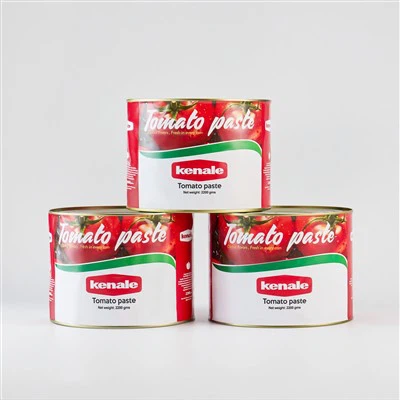
In recent years, the demand for high-quality tomato paste has been quietly but steadily rising across West Africa. From the kitchens of Accra to the food markets of Cotonou and Lomé, one trend is becoming clear: consumers and businesses are looking for more than just tomato flavor - they're looking for reliability, nutrition, and quality.
A Shift in Market Expectations: From Low-Solids to High-Brix
In countries like Benin, Togo, and Ghana, tomato paste is a household essential. Yet much of the local supply is characterized by low solids content and inconsistent texture, often requiring larger volumes for everyday cooking. This has created a growing interest in high Brix, high-solids tomato paste - the kind that delivers deeper flavor, higher yield, and better value per gram.
What makes high-concentration paste so appealing? A higher tomato content means richer taste, better color, and more efficient usage. In traditional stews, soups, and rice dishes, even a small spoonful of high-quality paste can replace several fresh tomatoes - providing convenience and intensity without compromise.
Everyday Cooking, Elevated
In Nigeria, tomato paste is deeply woven into daily life. It's not just an ingredient; it's the base of beloved local meals - from jollof rice to spicy stews to slow-simmered sauces that resemble curry in their complexity and richness.
But here, cooking isn't always about speed. It's about depth of flavor, family meals, and feeding large groups. That's where a high-yield, high-quality tomato paste proves its value. In households and hotels alike, consistency matters. A paste that behaves the same every time - thick, smooth, vibrant - helps cooks deliver reliable taste and professional results.
And when fresh tomatoes are out of season, tomato paste steps in as a trusted companion - shelf-stable, heat-resistant, and always ready to use.
Versatility Meets Reliability
Whether in large kitchens or small homes, tomato paste offers unmatched versatility. It can be used:
- To prepare soups and broths when speed is key.
- As a base for sauces, marinades, and stir-fries.
- Mixed into rice, beans, or grains for added color and flavor.
- As a long-life alternative to fresh produce in dry-season months.
Its extended shelf life and heat resistance make it especially well-suited for West Africa's climate, where storage conditions can vary widely. When stored properly, tomato paste remains usable for months - without refrigeration, without spoilage, and without loss of quality.
Concentrated Nutrition in Every Can
Beyond its culinary uses, tomato paste is gaining recognition for its nutritional value. A single can of concentrated paste contains the equivalent of 7 to 8 fresh tomatoes, offering a dense source of lycopene - a powerful antioxidant associated with heart health and immune support.
For health-conscious families and institutions, this means every serving carries more than just flavor. It provides meaningful nourishment in a convenient, accessible format.
Market Outlook: A Window of Opportunity
As local producers struggle with supply inconsistencies and quality control, imported high-quality tomato paste is increasingly seen as a reliable solution - especially for bulk buyers, food service operators, and retail packers looking to meet rising consumer expectations.
The need for stable, high-performing ingredients is only growing - and tomato paste is firmly at the center of this demand. From hospitality to household use, the market is showing a clear shift: consumers are ready for better.
Is West Africa entering a new era of tomato paste demand?
All signs point to yes - and the smartest players are already preparing for what's next.