Agriculture is undeniably crucial to Africa's economy and employment, contributing nearly 25% to the continent's GDP and employing 60% of its population. With abundant natural resources and extensive arable land-about 60% of the world's total-Africa is an ideal place for agricultural development. Crops grown include cereals, vegetables, and fruits, with tomatoes being a major vegetable in high demand.
Trade and Consumption Market
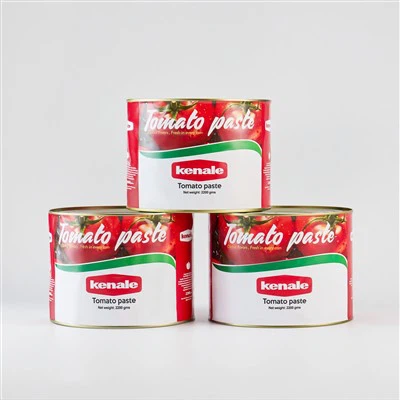
Tomatoes are one of the most widely consumed vegetables in Africa. In Nigeria, the annual per capita consumption of tomatoes and tomato products exceeds 10 kg, making it one of the largest markets in Africa. As population growth and urbanization accelerate, local supply cannot meet the demand, leading Africa to import large quantities of tomato paste. In 2021, Africa imported nearly 520,000 tons of tomato paste, accounting for 15% of the global import volume and valued at approximately $500 million. West Africa and North Africa are the main import regions, with Libya, Ghana, Nigeria, Algeria, and South Africa being the largest buyers. Burkina Faso exports nearly 150,000 tons of tomatoes annually to countries like Ghana and Benin, generating $83.5 million in revenue.
Status of the Tomato Processing Industry
The tomato processing industry in Africa remains underdeveloped. Globally, about 25% of tomatoes are processed, but in Africa, this figure is less than 15%. This is due to insufficient supply and a priority on exporting fresh produce. In Africa, Algeria, Tunisia, Egypt, South Africa, and Senegal are the most active in tomato processing. In 2022, these five countries processed a total of 2.5 million tons of tomatoes. Algeria has shown significant progress in this field by increasing industrial tomato production and purchasing specialized equipment. Tunisia has a long history in tomato processing, with over 80% of its tomatoes industrially processed. Egypt and South Africa have great potential in their processing industries, but high factory investment costs remain a major barrier. Senegal is the main tomato processing country in West Africa.
Processors and Recent Projects
In recent years, the tomato processing industry in Africa has attracted substantial private investment, enhancing value addition capabilities. Several countries have established new factories or announced investment projects. Here are some notable developments:
Nigeria: Aliko Dangote invested $20 million in building Africa's largest processing plant in Kano State, with a daily capacity to process 1,200 tons of tomatoes. However, since 2020, the plant has faced supply shortages. Additionally, Tomato Jos established a $5 million factory in Kaduna State.
Ghana: Spanish company GB Foods launched a $5 million canned tomato production line in Tema and plans to establish two industrial farms. Weddi Africa opened a $16 million processing plant in the Bono region.
Senegal: Socas collaborates with around 12,000 independent growers to procure tomatoes, with Agroline and Takamoul also participating. Kagome Senegal Sarl entered the local market, adding new vigor to the industry.
Egypt: Nouna Juices and Concentrates invested in a tomato concentrate production plant in the Qena industrial zone. Karry Food Industries plans to establish a new processing plant in Sadat City.
Cameroon: Several projects have been announced, including a Delifood Agroindustries Sarl plant in Douala with an annual capacity of 5,400 tons.
Zambia: The government announced a $5 million processing plant in the Southern Province to meet local demand and reduce imports.
Burkina Faso: A $8.3 million tomato processing plant is under construction in Bobo-Dioulasso.
These projects and investments demonstrate the potential and development trends of the tomato processing industry in Africa. They will further drive the industry's growth, increase self-sufficiency in tomato products, reduce import dependency, and boost local economies and employment.