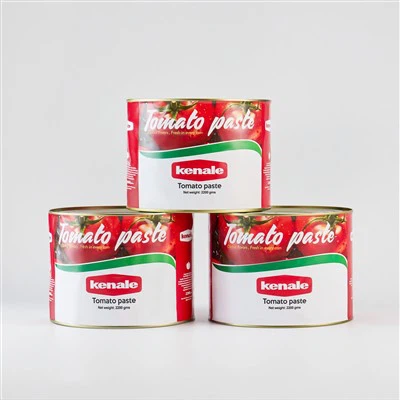
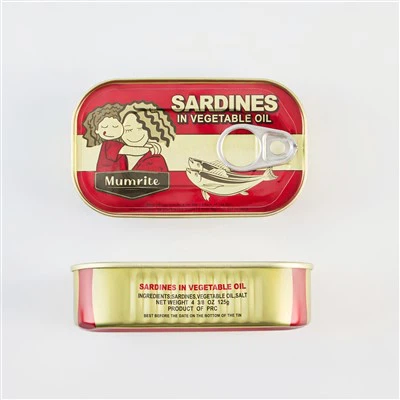
Fish is rich in nutrients, not only because it contains high protein content, is easy to digest, contains B vitamins and minerals such as calcium, zinc, selenium, and iodine, but also because the fat in it is rich in omega-3 fatty acids, which is good for preventing cardiovascular and cerebrovascular diseases. Diseases and beneficial to promote intellectual development. However, if fish is canned, will its nutritional value change?
Fish is rich in protein and various nutrients, has very low acidity, and is particularly easy to breed bacteria. Therefore, when canned, it must be sterilized at high temperature and pressure of 115-121°C. Such a high temperature has little effect on protein, but will cause a large loss of B vitamins in it. Therefore, the vitamin B1 content of canned fish can be reduced to about half of that of fresh fish, and will further decrease during long-term storage.
However, everything has its pros and cons. Heating at high temperature and high pressure makes the fish bones crispy and soft, allowing a large amount of calcium in them to dissolve. Therefore, the calcium content of canned fish is more than 10 times higher than that of fresh fish, and the minerals such as iron, zinc, iodine, and selenium are not lost. Therefore, eating canned fish is of certain significance for supplementing minerals. However, if the fish used for canning is deep-sea fish contaminated by lead, mercury, etc., as the bones become crispy and soft, a large amount of pollutants will dissolve out, increasing the harm to the human body. Compared with easily contaminated fish such as tuna, sea bass, swordfish, barracuda, marlin, and cod, salmon, trout, yellow croaker, etc. are relatively safe.
In general, water-soaked fish has a low fat content and can basically maintain the natural fatty acid ratio of fish, making it the most worthy choice. Dip fish in water, add seasonings, and serve with vegetables to make a delicious salad. Tomato juice products have a high salt content, but the acidity of tomato juice is beneficial to the preservation of B vitamins, so it is also a better choice. Although smoked, freshly fried and braised fish have rich flavors, after frying, the omega 3 series fatty acids of fish are destroyed, the fat content increases significantly, most of the B vitamins are destroyed, and the nutritional value is not high. ; Toxic carcinogens such as benzopyrene may also be produced during frying and smoking, which greatly reduces food safety. Most of the oil-soaked cans have not been fried or smoked at high temperatures, so they are safer.
Canned fish has a shelf life of up to 24 months, and many consumers think this is because it contains preservatives. actually not. Canning is an important food processing method, which involves placing raw materials in vented airtight containers and processing them at high temperatures to kill various microorganisms and bacteria, destroy the activity of enzymes, and prevent external contamination and oxygen from entering, thereby Keep food in a stable and edible state for a long time. Therefore, there are no preservatives added to most canned fish, and consumers can eat it with confidence.
But you should also be careful when eating canned fish. It is best not to exceed 2 cans per week (each can contains about 225 grams of fish); among them, it is best not to exceed 1 can of fried fish and smoked fish; pregnant women, wet nurses and young children should try not to eat it. People who like to eat canned fish should pay attention to a balanced diet, eat more fresh vegetables, fruits, beans and potatoes, and improve their anti-pollution ability to avoid the possible adverse health effects of long-term consumption of large amounts of canned fish. Be careful when eating canned fish, it is best not to exceed two boxes per week.
 English