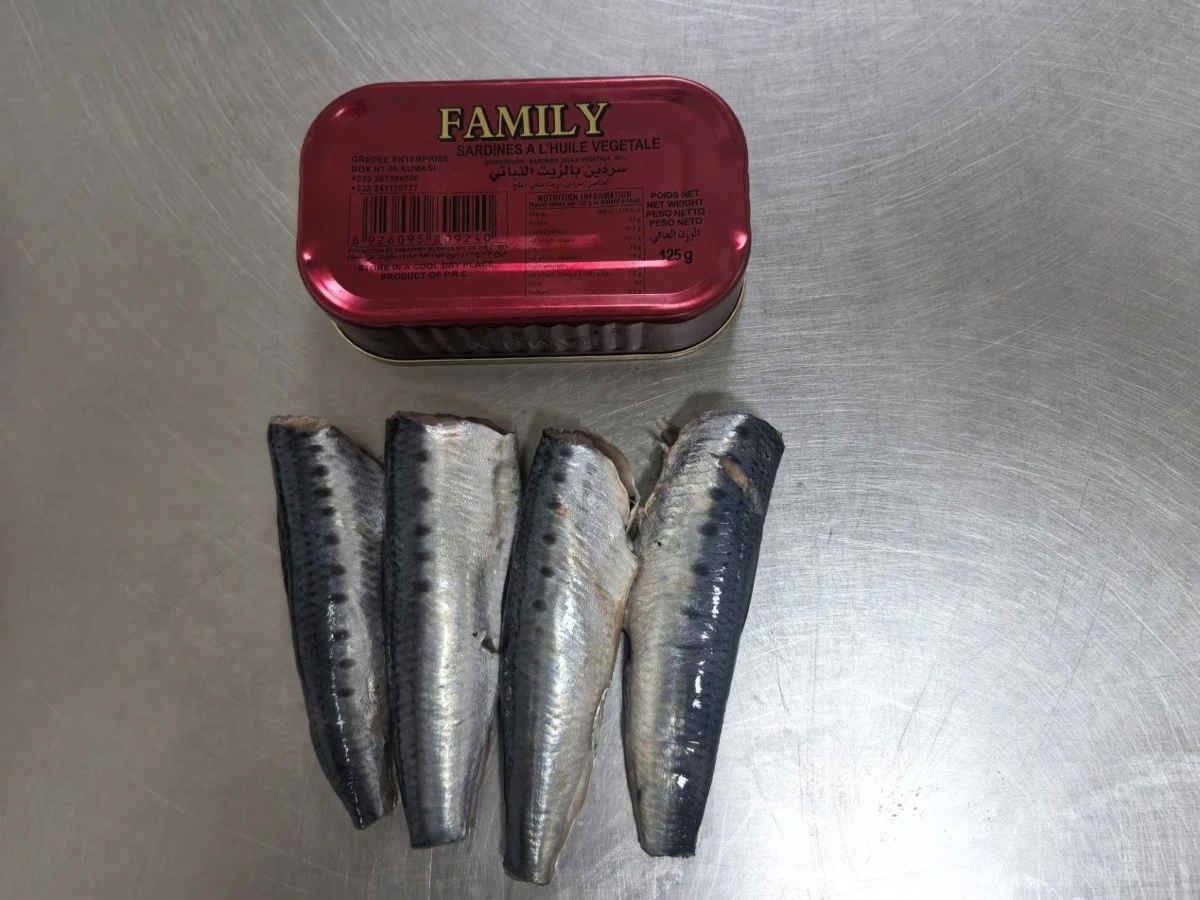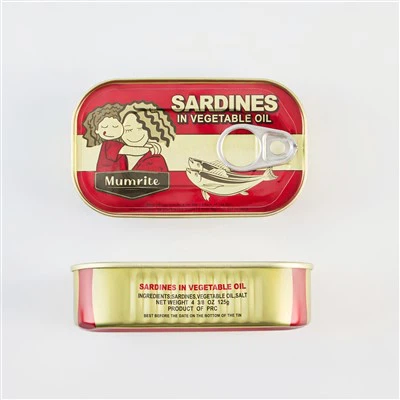
Once considered one of the most abundant and affordable fish on the planet, sardines are now entering a new phase in their global journey. In many African markets, canned sardines are more than a staple - they are a cultural comfort food, a nutritional solution, and a daily necessity. But as fishing restrictions tighten in key producing countries and marine resources become increasingly limited, sardines are quietly shifting from an everyday product to a strategic commodity.
In recent years, nations such as Morocco - one of the world's top sardine exporters - have placed stricter controls on sardine fishing to protect dwindling fish stocks. These regulatory shifts, combined with increasing demand across West and Central Africa, have made high-quality canned sardines harder to source consistently. For importers, distributors, and retail suppliers, this has led to rising prices, longer lead times, and a stronger emphasis on reliable supply chains and stable partnerships.
Despite these challenges, the demand for canned sardines across countries like Nigeria, Ghana, Angola, and the Democratic Republic of Congo remains strong - and for good reason. Sardines are one of the most nutrient-dense affordable proteins available on the market. They are rich in Omega-3 fatty acids, calcium, vitamin D, and high-quality protein, all while being easy to digest and low in mercury. In many African households, they serve as a versatile meal solution - ready to eat with bread, rice, or plantain, or easily cooked into local stews and sauces.
What also makes canned sardines particularly attractive is their long shelf life and ease of storage. In regions with limited refrigeration or unreliable electricity, sardines in oil or tomato sauce provide a safe, practical, and flavorful solution. They require no preparation, no fuel, and no extra ingredients. In urban areas, they offer convenience for busy workers. In rural communities, they bring vital nutrition where fresh fish may not be available.
As supply tightens, consumers are becoming more discerning, and so are professional buyers. Texture, size, deboning quality, flavor, and packaging are now key decision factors. While low-cost options still exist, many buyers are actively looking for consistent, well-packed sardines that meet hygiene and export standards. This opens the door for suppliers who can offer stable sourcing, quality control, and responsive delivery.
With the global spotlight turning to sustainable fishing and food security, the sardine market is evolving fast. For wholesalers, retailers, and institutional buyers across Africa, the message is clear: secure your sources, prioritize quality, and adapt quickly to stay ahead. Because in today's market, canned sardines are no longer just a cheap protein - they're a premium promise of taste, health, and reliability.