Why has Morocco, long regarded as the world's top canned sardines exporter with a decades-long presence in global seafood markets, gradually withdrawn from the African canned sardine market in recent years? This strategic shift isn't accidental-it stems from a confluence of market strategy adjustments, deep-seated supply chain constraints, and unavoidable economic trade-offs that push Moroccan producers to prioritize more profitable, high-standard markets over Africa.
First, high-value market orientation has driven a deliberate reallocation of Morocco's sardine resources. As Africa's largest fish producer, Morocco's sardine exports reached $83.013 million in 2023, accounting for 28.8% of global sardine export volumes-a figure that highlights its dominance in the sector . Yet, the math for Moroccan processors tells a clear story: the EU and Western markets (such as the U.S. and Canada) offer 30-40% higher profit margins per case of canned sardines compared to African markets. This focus on premium markets means Moroccan producers now reserve their highest-quality canned sardines for EU buyers, leaving African demand for affordable, reliable-quality products largely unmet. This is precisely where our factory steps in: we don't just offer canned sardines-we craft products specifically tailored to African buyers' needs.

Second, chronic supply chain inefficiencies have made serving the African market unviable for Morocco. A 2024 report by the Moroccan Ministry of Fisheries revealed that only 34% of the country's major ports (including Casablanca and Tangier) have functional cold chain infrastructure-facilities like temperature-controlled storage units and refrigerated loading docks. This deficiency leads to an estimated 120 tons of fresh sardine losses daily, as unrefrigerated catches spoil before processing . The problem worsens when exporting to landlocked African nations like Mali, Niger, or Burkina Faso: Morocco's limited inland logistics network means canned sardines often take 7-10 days to reach these markets, with no guarantee of temperature stability during transit. In contrast, we've built a supply chain designed for Africa. We've established dedicated cold storage hubs in key West African ports and partnered with local logistics firms like Aramex Africa to ensure last-mile delivery. This setup cuts transit times to landlocked nations by 40% (down to 3-5 days) and eliminates spoilage risks-solving the exact pain points that make Morocco's African exports unprofitable.
Finally, resource sustainability concerns have forced Morocco to limit its sardine output. Overfishing in Morocco's coastal waters (the Atlantic Ocean and Mediterranean Sea) has depleted sardine stocks by 23% over the past decade, according to the Food and Agriculture Organization (FAO). To comply with EU sustainability regulations-without which it can't access EU markets-Morocco reduced its annual sardine catch by 15% in 2024 . With less raw material to work with, Moroccan processors have no choice but to prioritize high-margin EU exports over Africa. Our factory takes a different approach: we source sardines exclusively from well-managed fisheries in the South China Sea, where the FAO has classified sardine stocks as "sustainably fished" for eight consecutive years. We also adhere to a strict catch limit of 10,000 tons per year, ensuring we don't contribute to overfishing. For African partners, this means a steady, uninterrupted supply-no last-minute delays or price hikes due to stock shortages, a common frustration with Moroccan suppliers.
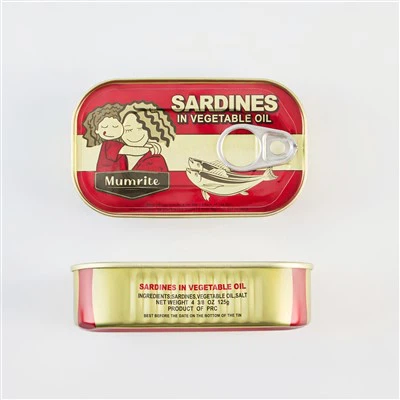
it's a long-term opportunity for African businesses to partner with a supplier that understands their needs. We don't just sell products; we build partnerships: provide free product samples for quality testing, and even assist with customs clearance in key African ports. Our canned sardines are designed to fill the gap left by Morocco-affordable, high-quality, and reliable. Let's work together to build a sustainable, thriving supply chain for Africa's growing canned seafood market.