Tomato Puree:
- Production: Made by grinding fresh tomatoes after removing their skins and seeds.
- Texture: Smooth and uniform.
- Flavor: Fresh and authentic, akin to that of a ripe tomato.
- Usage: Ideal for dishes requiring a light, consistent tomato base. Perfect for sauces, soups, and recipes where a delicate tomato flavor is desired. Think of a simple spaghetti al pomodoro with basil, or a creamy tomato soup with croutons.
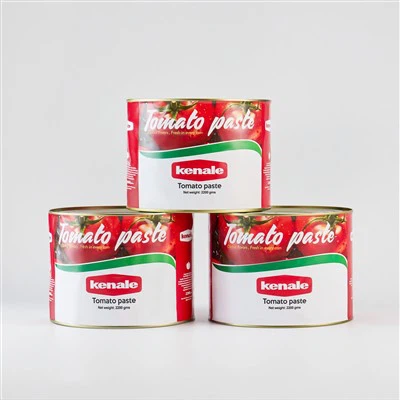
Tomato Paste:
- Production: Created by cooking down and concentrating tomato puree.
- Texture: Thicker and darker in color.
- Flavor: Intense and robust.
- Usage: Best for recipes needing a rich, concentrated tomato flavor. Used in small quantities to enhance ragouts, stews, marinades, and slow-cooked dishes. Classic examples include a hearty meat sauce or a flavorful lasagne sauce.
When to Use Tomato Puree in Cooking
Tomato puree shines in recipes where a smooth, fresh tomato flavor is key. Use it for:
- Sauces: Such as a light tomato sauce for pasta.
- Soups: Providing a consistent, light tomato base.
- Recipes: Like spaghetti al pomodoro with basil or a delicate tomato soup.
When to Use Tomato Paste in Cooking
Tomato paste is ideal for adding depth and richness to robust dishes. It works well in:
- Ragouts and Stews: Enhancing their hearty flavors.
- Marinades: Adding a concentrated tomato touch.
- Long-Cooked Dishes: Such as a rich meat sauce or lasagne sauce.
Italian Chef's Trick: Using Diced Tomato Sauce
Italian chefs often prefer diced tomato sauce for its rustic texture and genuine tomato flavor. This sauce, containing whole or partially crushed tomato pieces, is perfect for:
- Fish Dishes: Its balanced freshness and acidity complement seafood, such as in a pasta sauce with prawns and courgettes or a Mediterranean-style fish soup.
- Seafood Risottos: Adding color and a contrasting flavor.
- Mussels alla Marinara: The tomato juice blends perfectly with the mussels, creating a rich, delicious sauce.
Versatility of Diced Tomatoes
Diced tomatoes are not only great for seafood dishes but also work well in:
- Pasta Sauces: Where chunks of tomato are desired.
- Traditional Italian Recipes: Such as chicken cacciatore or peperonata.
Conclusion
- Tomato Puree: Best for smooth, fresh-flavored dishes.
- Tomato Paste: Ideal for deep, robust-flavored dishes.
- Diced Tomato Sauce: Perfect for rustic texture and enhancing seafood dishes.