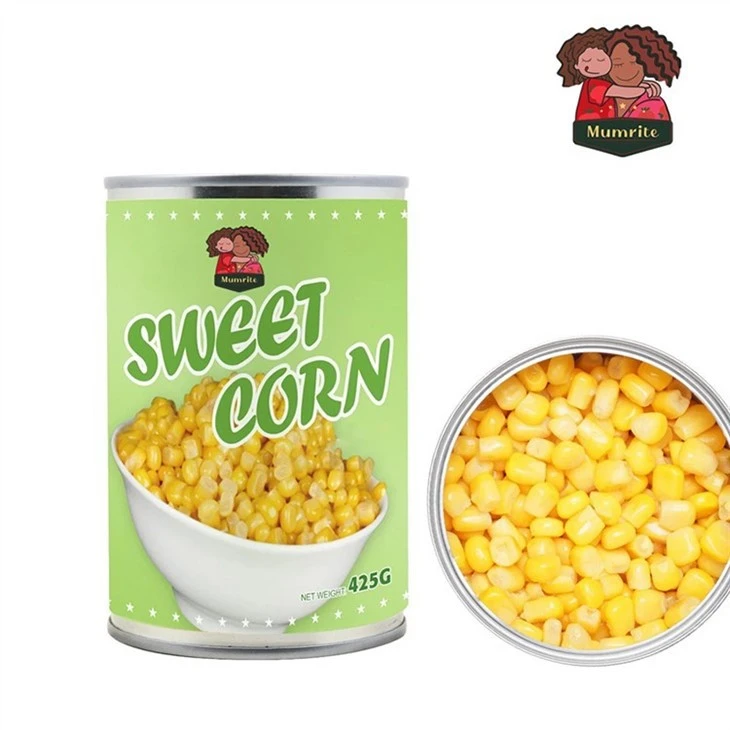
Canned sweet corn is a widely consumed and convenient product across Africa, found in many households and restaurants. Its popularity is driven by its long shelf life, ease of preparation, and versatility in cooking. It's commonly used in various traditional and contemporary dishes, from stews and salads to side dishes and casseroles.
Here's a more detailed look at canned sweet corn in Africa:
1. Popularity and Usage:
West Africa: In countries like Nigeria, Ghana, and Senegal, canned sweet corn is often added to rice dishes, salads, and stews. It's also a common ingredient in dishes such as corned beef stew or corn salad, where it serves as both a flavor enhancer and a source of sweetness.
East Africa: In countries like Kenya, Tanzania, and Uganda, canned sweet corn is frequently used in vegetable dishes, stir-fries, or mixed with beans. It's also incorporated into succulent curries or added to chapati dishes for a sweet and savory combination.
Southern Africa: In nations like South Africa, Zimbabwe, and Zambia, canned sweet corn is enjoyed as a side dish or used in meals like pap and tomato sauce, where the corn complements maize-based dishes. It's also mixed into stir-fried dishes or served with braai (barbecued) meats.
Canned sweet corn is seen as a convenient alternative to fresh corn, which can be time-consuming to prepare, especially in regions where the infrastructure for fresh produce isn't always reliable.
2. Production and Availability:
Local Production: While many African countries grow corn (maize), the processing of sweet corn into canned products has not been as widespread as fresh maize. However, there are local producers in some regions, such as South Africa and Egypt, where canned sweet corn is produced and distributed. These products are marketed locally and in neighboring countries.
Imports: Many African countries rely heavily on imported canned sweet corn from global producers, particularly from countries like China, Thailand, and the United States. Global food companies like Green Giant, Del Monte, and Libby's have a strong presence in African markets.
Pack Sizes: Canned sweet corn typically comes in a range of sizes, from smaller cans (around 200g-300g) suitable for individual use, to larger cans (around 400g-800g) designed for families or catering purposes.
3. Economic Factors:
Affordability: Canned sweet corn is usually affordable in African markets, particularly in urban areas where processed foods are in higher demand. Its relatively long shelf life makes it a cost-effective option for consumers looking for convenience.
Price Fluctuations: Prices of canned sweet corn can fluctuate depending on factors such as import tariffs, exchange rates, and local production costs. In many African countries, the price of imported goods can increase due to these variables, making canned sweet corn more expensive during periods of economic instability.
Local Farming and Export Potential: Some African nations, especially South Africa and Egypt, have strong agricultural industries that produce corn. With the right investments in processing infrastructure, there is potential to expand local canned sweet corn production, reducing reliance on imports and even positioning these countries as exporters of canned corn to other African markets.
4. Nutritional Value:
Canned sweet corn offers several health benefits, though it is more concentrated in sugars than other varieties of corn. Here's a breakdown of its nutritional profile:
Calories and Carbs: Sweet corn is a good source of carbohydrates, which provide energy. It's a moderate-calorie food and typically provides between 70-100 calories per 100g serving, depending on the brand and processing.
Vitamins and Minerals: Canned sweet corn is rich in Vitamin C, which is important for immune function, and Vitamin A (in the form of beta-carotene), which supports eye health. It also provides potassium, folate, and magnesium.
Fiber Content: Like fresh corn, canned sweet corn is a good source of dietary fiber, which aids digestion and can help maintain a healthy weight.
Sugar Content: One downside is that sweet corn tends to have higher sugar content than regular field corn, as it's specifically bred for its sweetness. Some canned varieties may also contain added sugar or salt, so it's important to check labels for potential added ingredients.
Conclusion:
Canned sweet corn is an affordable, convenient, and versatile product used in a wide range of African dishes. While local production of canned sweet corn exists in some countries, the market is heavily reliant on imports. The product's popularity is expected to continue growing as urbanization and the demand for processed foods rise. However, there are opportunities for innovation and expansion in local production, sustainable sourcing, and healthier alternatives, which could benefit both consumers and the African agricultural sector in the long run.