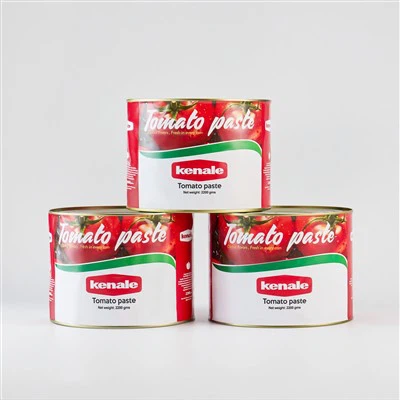
Tomato paste is a widely used ingredient across many African countries, known for its rich flavor and concentrated form of tomatoes. It plays an important role in cooking across the continent, especially in various stews, soups, sauces, and dishes like jollof rice, stews, curry dishes, and meat preparations.
Here's a deeper look at tomato paste in Africa:
1. Cultural and Culinary Significance:
West Africa: Countries like Nigeria, Ghana, and Senegal use tomato paste as a base for many dishes. In Nigerian cooking, for instance, it's a key ingredient in dishes like jollof rice, stewed tomatoes, and shito (a spicy Ghanaian pepper sauce). Tomato paste helps to intensify the flavor and color of sauces and stews.
East Africa: In countries like Kenya, Uganda, and Tanzania, tomato paste is often used in beef, chicken, or vegetable stews. It's common to use it in nyama choma (grilled meats) marinades or alongside pilaf-style rice dishes.
Southern Africa: Tomato paste is frequently included in bobotie (South African minced meat dish), as well as various curries and stews in countries like South Africa, Zimbabwe, and Zambia.
2. Tomato Paste Production and Use:
Local Production: Many African countries grow tomatoes, and tomato paste is locally produced in countries such as Nigeria, South Africa, and Egypt. However, the supply often falls short due to challenges in local farming infrastructure, and many regions rely on imports to meet demand.
Global Trade: Some of the leading producers and exporters of tomato paste to Africa include China, Italy, and Turkey, which have well-established tomato paste industries. This makes tomato paste relatively affordable and accessible in urban markets, though local products are also widely available.
Quality and Variability: The quality of tomato paste can vary significantly. Some brands focus on providing high-quality, concentrated pastes with rich flavor, while others may be diluted with added ingredients like salt, sugar, and preservatives.
3. Challenges in Tomato Paste Production:
Supply Chain Issues: Despite large-scale tomato farming in countries like Nigeria, there are often issues related to post-harvest losses (due to inadequate storage facilities), lack of processing infrastructure, and challenges in meeting the growing demand for processed tomato products.
Imports and Price Fluctuations: Imported tomato paste can be subject to price fluctuations due to changes in the international market or import tariffs, which can affect local consumers. In some regions, this has sparked discussions about improving domestic production and reducing dependency on imports.
4. Alternative Uses and Innovations:
Small-Scale Production: In some rural areas, local producers or small cooperatives have worked to set up small-scale tomato paste production facilities, processing fresh tomatoes to produce paste that can be sold locally. This contributes to local economies and reduces dependency on imported goods.
Local Recipes and Innovations: In some African regions, tomato paste is also creatively incorporated into traditional recipes. For example, it may be added to couscous, used as a filling for samosas, or blended into spicy dips served with bread or rice.
5. Nutritional Value:
Tomato paste is nutrient-dense, providing essential vitamins like Vitamin C, Vitamin A, and potassium, as well as antioxidants like lycopene, which has been linked to various health benefits. However, like all concentrated forms of food, it is important to use it in moderation, as it can be high in sodium.
6. Environmental and Economic Impact:
The production of tomato paste, especially through local processing, can have positive economic effects by creating jobs and fostering local entrepreneurship. However, the environmental impact of agriculture, including water use and waste management from tomato production, is an ongoing concern in many regions.
In summary, tomato paste is an essential ingredient in African kitchens, contributing flavor, color, and depth to a wide variety of traditional dishes. While there are challenges in both local production and the reliance on imports, the significance of tomato paste in African cooking is undeniable.