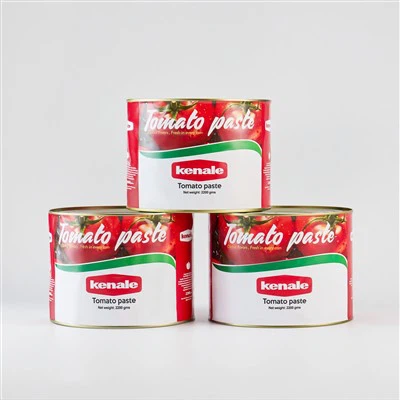
Every year, the arrival of the rainy season across West Africa brings a major transformation to local food supply and consumption trends. Covering key markets such as Nigeria, Ghana, Benin, Togo, Côte d'Ivoire and Senegal, the rainy season-normally from April to September-directly causes a sharp increase in demand for imported canned tomato paste, making it an unavoidable peak season for importers, distributors and food businesses.
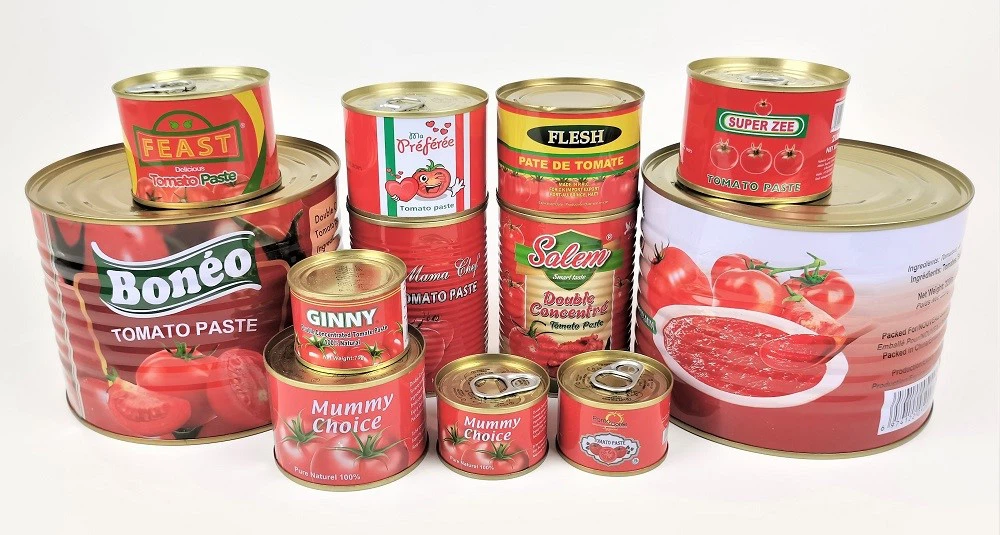
The core reason behind this demand change is the severe impact of rainy weather on local fresh tomato production. Most tomato farming in West Africa relies on traditional rain-fed agriculture, without modern irrigation or greenhouse protection. Continuous heavy rainfall leads to soil waterlogging, tomato root rot, and the rapid spread of leaf mold and pests. As a result, local tomato output drops significantly, and the quality of fresh tomatoes declines sharply. Short supply pushes up market prices sharply, often doubling or tripling compared to the dry season. Poor road conditions and weak cold-chain logistics further reduce the availability of fresh tomatoes in cities and villages.
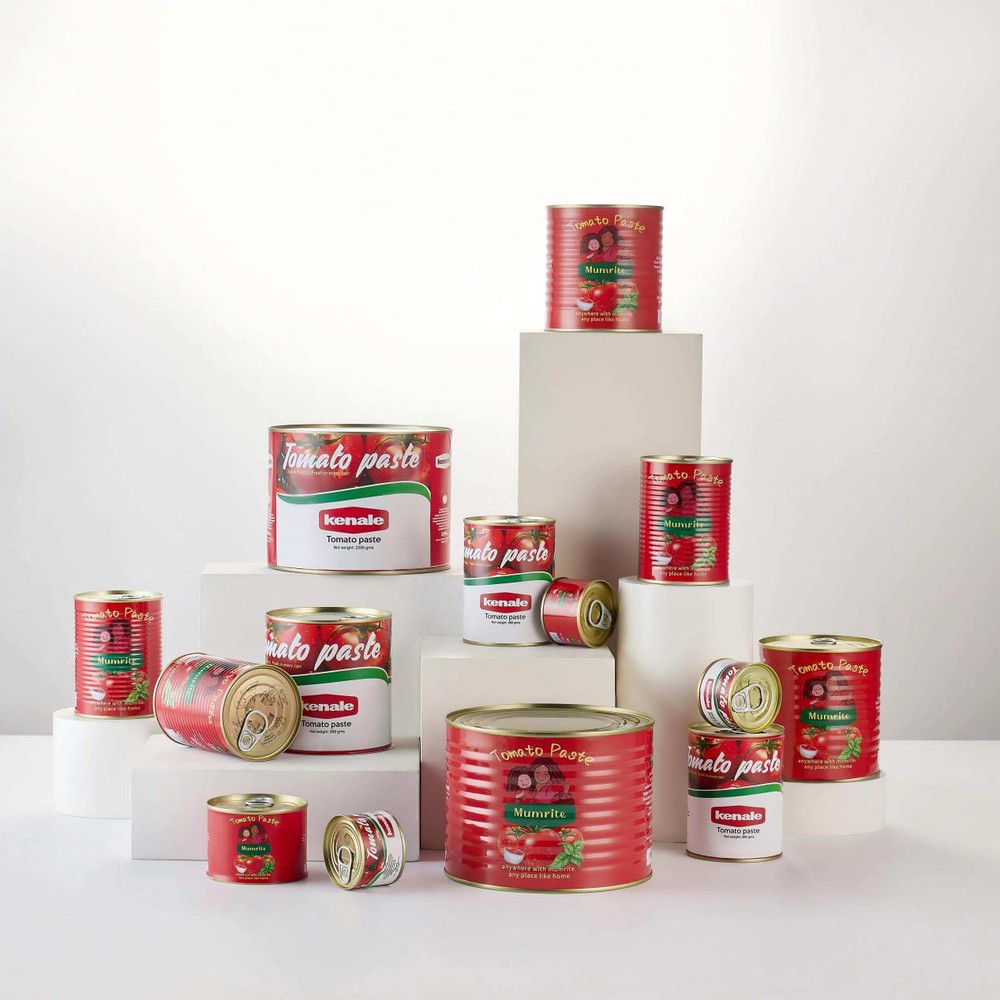
In this situation, canned tomato paste becomes the most reliable and economical substitute. Tomato paste is an essential ingredient in West African daily cooking, used in jollof rice, various stews, soups and sauces. It provides stable color, rich taste and thick texture that families, street vendors, restaurants and food factories all need. Unlike fresh tomatoes, canned tomato paste has a long shelf life, needs no refrigeration, and is not affected by weather or transportation delays. These advantages make it the first choice during the rainy season.
Data from regional trade and market research shows that import demand for tomato paste begins to rise noticeably in late April, peaks from June to August, and remains high until local tomato production recovers. West Africa's large population, growing urban population and steady food consumption all support this strong seasonal demand. Local tomato processing capacity is limited and cannot fill the supply gap during the rainy season, so imported canned tomato paste becomes a necessity.
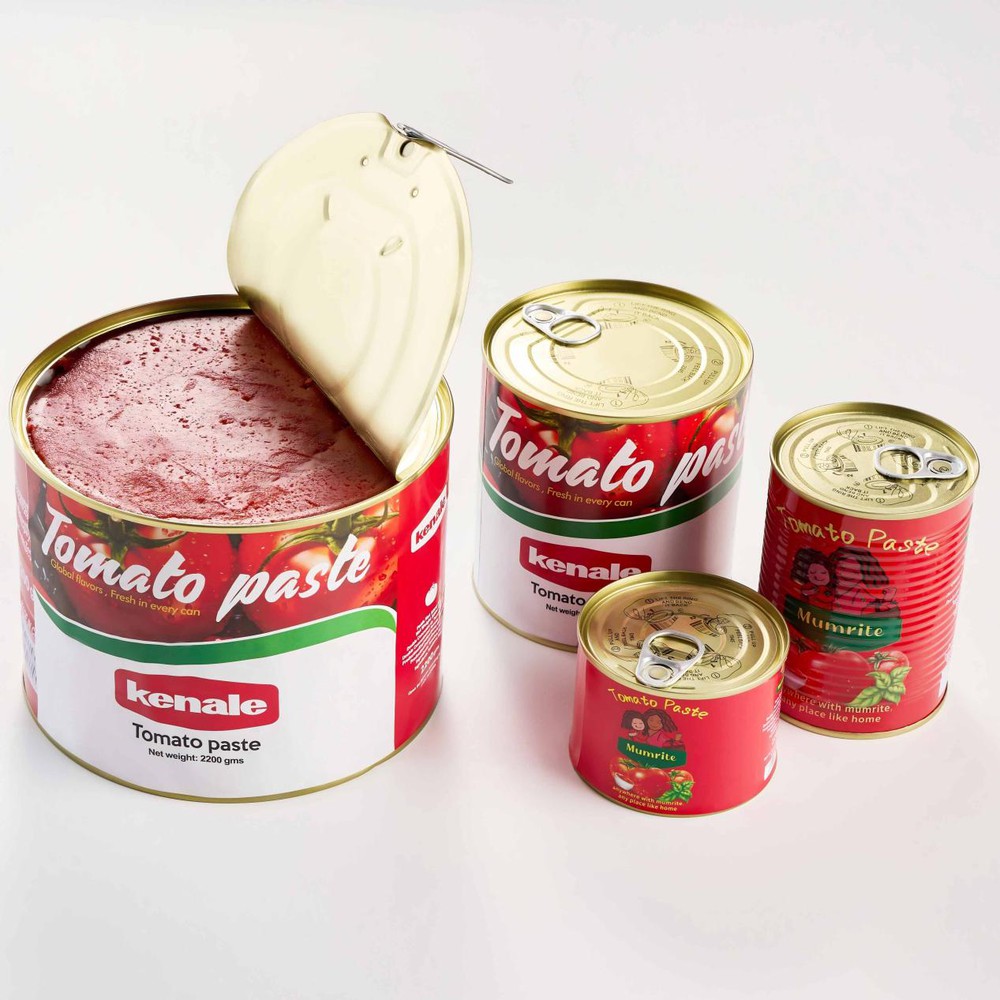
For business buyers, preparing inventory before the rainy season is crucial. Stocking high-quality canned tomato paste ensures stable supply for downstream customers, avoids out-of-stock losses, and maintains business reputation. High-standard tomato paste products feature bright color, strong concentration, reliable safety and long shelf life, which fit perfectly with West African cooking habits and market needs.
As a professional canned tomato paste factory focusing on the West African market, we deeply understand the seasonal demand rules. We maintain stable production capacity, efficient delivery arrangements and customized product solutions to support importers and distributors to seize market opportunities during the rainy season. Our products are produced under strict quality control, with consistent taste and safe packaging, suitable for long-term storage and cross-regional sales.

In short, the West African rainy season is not only a climate change but also a key driving force for tomato paste imports. The shortage of fresh tomatoes and rigid daily consumption demand together create a strong market for imported canned tomato paste. Mastering this seasonal trend helps businesses make reasonable procurement plans and gain stable advantages in the competitive market. With the coming of the rainy season, preparing sufficient high-quality tomato paste supply will bring better business growth and customer trust.