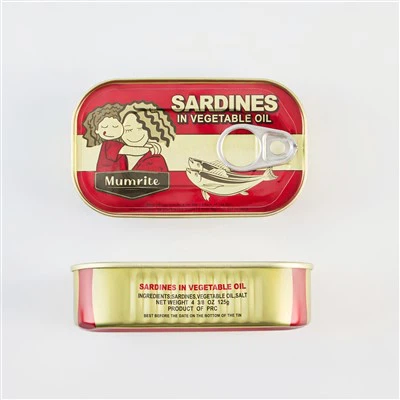
Morocco, the world's leading sardine can producer and exporter, has long been the backbone of sardine can supply for West Africa. For decades, its canned sardines-known for stable quality, affordable prices, and convenient storage-have been a staple food for millions of people in West African countries, supporting local food security and daily nutrition. However, in recent years, significant changes in Morocco's sardine industry and export policies have reshaped its supply to the West African market, bringing both challenges and new dynamics to the region's food chain.
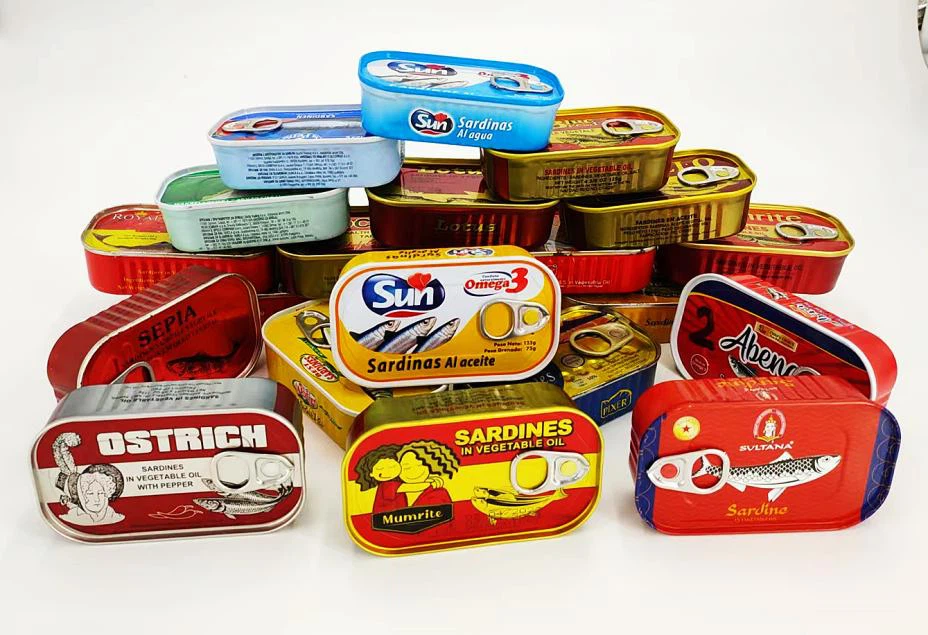
The most impactful change stems from Morocco's new export ban on frozen sardines, implemented on February 1, 2026, for at least one year. Announced by the Moroccan Ministry of Agriculture, this policy aims to ensure domestic market supply and stabilize local sardine prices, as the country has faced a sharp decline in sardine catches over the past two years-with catches dropping nearly half between 2022 and 2024-while exports continued to rise, causing domestic market volatility and public criticism. Though the ban primarily targets frozen sardines, it has indirectly affected canned sardine supply, as many Moroccan canneries now prioritize domestic raw material needs over exports.

Prior to the ban, Morocco supplied over 45% of the global sardine market, with a large portion of its canned products flowing to West Africa. Countries like Nigeria, Benin, and Senegal relied heavily on Moroccan imports-for example, Benin imported over 1.2 million units of canned sardines from Morocco in 2023, accounting for a significant share of its total imports. However, since the ban took effect, Moroccan canned sardine exports to West Africa have decreased by an estimated 30%, creating a supply gap in the region.
Another key factor driving supply changes is Morocco's shifting production focus. As the world's top sardine producer, Morocco boasts advanced processing facilities and a well-developed fishing industry, supported by its Atlantic coastline's rich upwelling zones that provide ideal conditions for sardine growth. However, to comply with the export ban and meet domestic demand, many Moroccan canneries have reduced their export-oriented production, redirecting canned sardines to the local market. This shift has not only reduced supply volume to West Africa but also led to a slight price increase for exported canned products, as remaining exports are prioritized for higher-value markets.

Additionally, Morocco's sardine catch decline has further constrained supply to West Africa. Overfishing and changing marine conditions have reduced local sardine stocks, forcing Moroccan fisheries to operate within stricter quotas. This has limited the raw material available for canning, leading to lower overall production volumes and making it harder for Moroccan exporters to meet West African demand even before the export ban.
These changes have pushed West African markets to adapt. Some countries are turning to alternative suppliers, such as Mauritania-a West African nation with abundant sardine resources and a growing canning industry-to fill the gap. Mauritania, which has a annual sardine catch of around 280,000 tons, has seen increased demand for its canned sardines from neighboring West African countries, though it still lacks Morocco's production scale and established supply chains.
Morocco's canned sardine supply to West Africa has undergone significant changes, driven by the frozen sardine export ban, declining sardine catches, and a shift toward domestic market prioritization. While these changes have created short-term supply challenges for West Africa, they have also spurred regional adaptation and opportunities for alternative suppliers. As Morocco's policy and sardine stocks evolve, the future of its supply to West Africa will depend on the country's ability to balance domestic needs with its role as a global sardine leader.