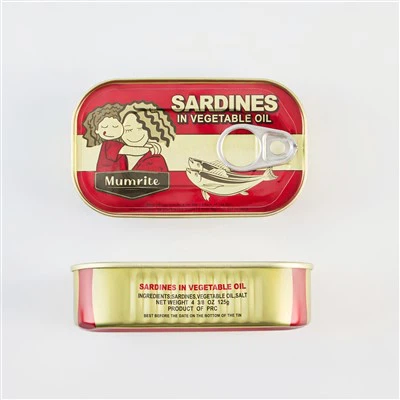
For many people unfamiliar with these small, oily fish, the question arises out of curiosity and a desire to make the most of a convenient pantry staple. Pilchards, closely related to sardines, have a long history of being preserved in cans, often bathed in a rich tomato sauce that helps maintain their flavor and moisture over time. Unlike many other canned products, pilchards are generally pre-cooked as part of the canning process, which means they can be enjoyed directly from the tin if desired. Still, gently warming them can bring out subtler flavors, mellow the acidity of the tomato sauce, and create a comforting meal that feels freshly prepared rather than simply taken off a shelf.
When heating canned pilchards, a low, steady warmth is all you need. Rapidly boiling them or vigorously stirring can break apart their tender flesh, resulting in a less appealing texture. A gentle simmer on the stovetop, allowing the sauce to warm gradually, will help maintain their shape and let the savory, oceanic notes of the fish mingle with the natural sweetness of the tomato base. Some cooks find that adding a splash of water or a mild stock can help keep the sauce at the right consistency, preventing it from thickening too much as it heats. Others appreciate the convenience of a microwave, provided they use a low power setting and watch carefully to avoid overheating. The key is patience and a light touch, treating the pilchards with the same care you might give to a delicate piece of fresh seafood.
The idea of heating canned pilchards is not merely a matter of culinary preference; it also connects to their nutritional benefits and cultural significance. Pilchards are a wonderful source of lean protein, omega-3 fatty acids, and essential minerals like calcium and iron. Warming them gently can create a meal that nourishes the body as well as the soul. Across various regions-particularly in parts of Europe and coastal communities around the world-these modest fish have long been a reliable source of sustenance. Preserved in tomato sauce, they became a household staple that allowed even landlocked families to enjoy the bounty of the sea year-round. By bringing them to just the right temperature, you can appreciate this historical continuity, savoring flavors that have sustained communities for generations.
It's also worth noting that heated pilchards can be remarkably versatile. Beyond the simple comfort of serving them over toast or pairing them with boiled potatoes, the warmed pilchards can be folded into pasta dishes, combined with hearty grains like barley or farro, or used as a protein-rich topping for salads. With careful seasoning-perhaps a dash of black pepper or a sprinkle of fresh herbs-you can introduce subtle layers of complexity that complement their briny depth. In this way, a basic can from the pantry becomes not just a convenient meal but a canvas for culinary exploration, encouraging creativity even in the simplest of kitchens.
Ultimately, heating canned pilchards in tomato sauce offers a way to bridge the convenience of modern food preservation with the pleasure of a homemade meal. It is a gentle, thoughtful process that rewards patience and curiosity, producing a dish that is both comforting and full of character. In asking whether you can heat them, you are really asking how best to enjoy a time-tested ingredient that carries echoes of maritime traditions and global trade. By understanding their texture, respecting their delicacy, and taking the time to bring them to just the right warmth, you invite the pilchards to share their story and invite you, in turn, to savor every flavorful bite.