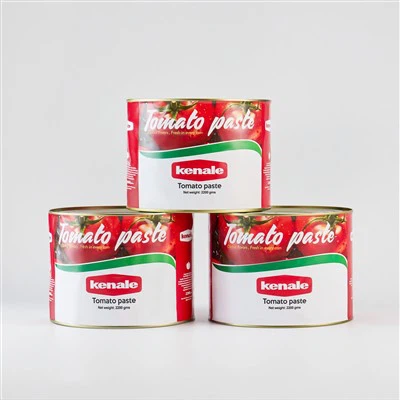
Recent developments in the canned tomato paste market reflect a dynamic interplay of trade policies, consumer preferences, and culinary innovations.
Impact of Chinese Imports on Italian Tomato Industry
In October 2024, Francesco Mutti, CEO of Italy's renowned tomato products company Mutti, called on the European Union to impose import bans or high tariffs on inexpensive tomato paste from China's Xinjiang region. He argued that these imports undermine the livelihoods of Italian tomato farmers by flooding the market with low-priced products, thereby threatening the sustainability of local agriculture. Mutti emphasized the need for urgent measures to ensure fair competition and protect Europe's agricultural heritage.
Growth in U.S. Tomato Paste Exports
March 2024 statistics revealed that U.S. exports of tomato paste (HS code 200290) experienced double-digit growth in both volume and value. This surge was primarily driven by increased demand from North and South American markets, where consumers showed a preference for high-quality tomato products. American producers' focus on product innovation and market expansion contributed significantly to this positive trend. However, challenges such as rising production costs and intensified international competition persisted.
Diverse Applications of Tomato Paste in Culinary Arts
Beyond its traditional role as a pizza topping, tomato paste has found versatile applications in modern cuisine. Its concentrated flavor enhances a variety of dishes, including stews, soups, and sauces. Culinary experts have highlighted its ability to add depth and richness to recipes, making it a staple in both home kitchens and professional establishments. Innovative chefs continue to explore new ways to incorporate tomato paste into diverse culinary creations.
Comparative Analysis: Canned vs. Tubed Tomato Paste
A comparison between canned and tubed tomato paste has shed light on differences in processing methods and flavor profiles. Canned tomato paste typically undergoes heat processing, resulting in a robust, cooked flavor suitable for long-simmering dishes. In contrast, tubed tomato paste is often produced through cold processing, preserving a fresher, more vibrant taste ideal for applications requiring a lighter tomato essence. Consumers are advised to choose based on their specific culinary needs and flavor preferences.
Global Tomato Paste Market Trends
The global tomato paste market is influenced by factors such as climate conditions affecting tomato yields, trade agreements, and evolving consumer tastes. Emerging markets have shown increased demand for processed tomato products, presenting growth opportunities for exporters. However, market volatility due to geopolitical tensions and environmental challenges necessitates strategic planning and adaptability from producers and exporters.
In summary, the canned tomato paste industry continues to navigate a complex landscape shaped by international trade dynamics, consumer preferences, and culinary innovations. Stakeholders must remain vigilant and responsive to these evolving factors to sustain growth and meet the changing demands of global markets.