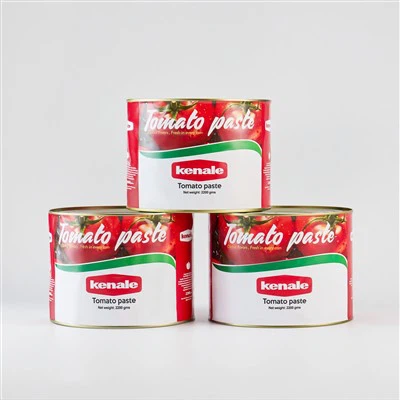
1. What Do Canned Grapes Taste Like?
The flavor and texture of canned grapes are quite different from those of fresh grapes:
Extremely Sweet: They are soaked in thick syrup, making them very sweet, even overly sweet for some.
Soft and Smooth Texture: After processing and soaking, grapes lose their fresh crispness and juiciness. The flesh becomes very soft, almost mushy, and the skin separates more easily.
Altered Flavor: The high-temperature processing causes the grapes to lose some of their fresh fruity flavor, replacing it with a "cooked" fruit taste, similar to the distinctive sweetness of other canned fruits like peaches or pineapples.
Summary: If you enjoy very sweet and soft fruits, you might like them.

2. Why Do People Eat 12 Grapes on New Year's Eve?
This tradition originated in Spain and is known as "Las doce uvas de la suerte" (The Twelve Lucky Grapes).
Origin Story: One popular theory is that in the early 20th century, grape growers in Alicante, Spain, had a bumper harvest. To promote surplus grapes, they came up with the idea that "eating 12 grapes would bring good luck" and linked it to the striking of the New Year's clock.
Symbolism: The 12 grapes represent the 12 months of the upcoming year. At midnight on New Year's Eve (Nochevieja), as the clock strikes twelve times, people quickly eat one grape with each strike. Successfully eating all 12 grapes before the clock finishes striking is believed to bring good luck and prosperity for each month of the new year.
Spread: This fun tradition has spread from Spain to many Spanish-speaking countries, such as Mexico, Venezuela, and Ecuador, and has become a globally recognized custom for welcoming the new year.
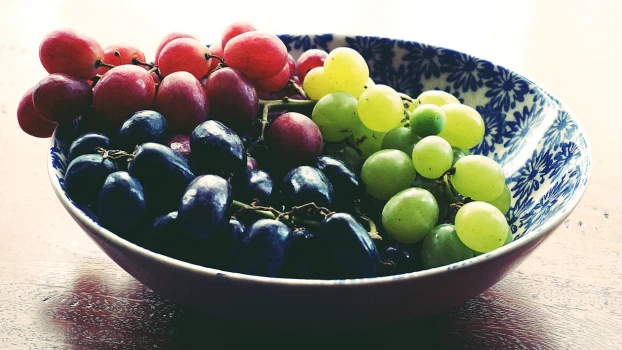
3. How to Eat 12 Grapes in One Go on New Year's Eve?
It's indeed a skill that requires some preparation and technique! Spaniards are experts at this:
Preparation is Key:
Choose the Right Grapes: It's best to use seedless grapes to avoid the hassle of spitting out seeds. Smaller grapes are easier to swallow quickly.
Prepare in Advance: Wash the grapes and remove them from the stem beforehand. Place them within easy reach (e.g., in a small bowl or on a spoon). Never wait until the clock starts striking to frantically pluck grapes from the stem.
Techniques and Strategies:
Have Them Ready: Before the clock strikes, you can hold the first grape in your hand or even place it in your mouth, ready to eat.
Don't Chew: The goal is to "swallow" rather than "chew." Lightly bite and swallow them whole to save valuable time.
Stay Calm: The clock strikes at a steady rhythm, approximately one second per strike. Don't panic-just follow the rhythm and eat one grape after another. Many people fail due to nervousness or laughter, but that's all part of the fun experience!
4. What Happens If You Don't Finish Eating the 12 Grapes by Midnight?
Don't worry-nothing bad will happen! This is just a fun tradition for wishing good luck, not a strict curse.
Common Belief: Traditionally, failing to finish all 12 grapes might mean that a certain month of the new year will be unlucky or lack good fortune.
Modern Perspective: Nowadays, most people see it as a fun and lively New Year's game. Success brings a sense of achievement and laughter, while failure is just a humorous moment to laugh off. The core of the tradition is to spend joyful time with family and friends and enter the new year with positive expectations for the future.
Compensation: Some even joke that the months corresponding to the uneaten grapes require extra caution, but the most important thing is to maintain a positive mindset.
In summary, this is a custom filled with joy and hope, emphasizing participation and experience rather than being a strict mandatory task.