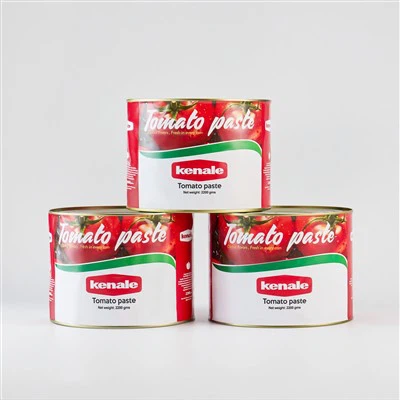
In recent years, the global tomato products market has experienced significant fluctuations driven by a combination of increased demand during the COVID-19 pandemic and subsequent supply constraints due to climate change. This dynamic has led to notable impacts on consumption patterns, prices, and export levels.
Rising Demand and Supply Constraints
During the COVID-19 pandemic, global demand for tomato products surged as consumers shifted their purchasing habits towards retail distribution channels. However, this increased demand was met with challenges from climate change, which caused a reduction in the quantity of processed products. As a result, consumption growth has slowed.
Over the past fifteen years, the global industry initially struggled to recover from the disastrous effects of the 2009 overproduction. Between 2009 and 2022, eleven out of fourteen seasons saw production levels fall significantly below initial targets. The cumulative shortfall, coupled with the astonishing demand surge from 2020 to 2022, largely explains the recent spike in global tomato product prices.
External Factors Affecting Production
Several external factors have contributed to ongoing production issues. Climate hazards, health crises, political tensions, environmental pressures, social expectations, inflationary pressures, and growers' reluctance to cultivate high-risk crops have all played a role. These challenges have led to multiple instances where end-of-year stocks were nearly depleted. Despite growing demand, the availability of products in retail and food service distribution channels has been insufficient, physically limiting consumption.
Record Exports Despite Tight Supply
Interestingly, despite these constraints, major processing countries reached record export levels in 2022/2023, particularly in tomato paste categories. Last year, global exports of tomato-based products, including sauces and ketchup, reached nearly 3.746 million metric tons, exceeding the average of the previous three years by 6%. Exports of sauces and ketchup alone totaled 1.625 million tons, a 6.6% increase from the 2019/2020 to 2021/2022 period. The export volume of canned tomatoes remained stable at 1.898 million tons, only 530 tons (-0.03%) below the average of the preceding three years.
Consumption Patterns and Regional Differences
Despite slight declines, North America (USA, Canada, Puerto Rico) remains the world's leading consumer of tomato products, accounting for over a quarter of the global total. The European Union's 27 member countries represent about 18% of global consumption, rising to 22% when including non-EU European countries like the UK, Switzerland, and Norway. Eurasian countries (Turkey, Russia, Afghanistan, Ukraine) consume about 11%, showing a slight increase from previous years.
In contrast, Middle Eastern countries (Iran, Iraq, Saudi Arabia, Israel) saw a 4% decline in consumption, making up approximately 9% of global consumption by 2022/2023. South American countries (Brazil, Argentina, Chile) experienced significant increases in consumption, contributing to over two-thirds of global tomato product consumption alongside other major regions.
Future Outlook and Consumption Trends
Globally, 2022/2023 consumption saw a slight decline of approximately 1.7% compared to the average of the previous three years. However, emerging regions such as South America, Mediterranean Africa, and the Far East are increasing their relative "weight" in the market.
According to Euromonitor, the annual growth rate of tomato product production (all tomato products) reached about 2% during the 2021/2022 period and is expected to maintain a similar rate in the coming years. The past decade's overall growth rate for global consumption has been relatively low, driven by a 1% annual population growth rate and a 0.3% increase in per capita consumption, resulting in a combined annual growth rate of 1.2%.
Conclusion
The global tomato products market continues to navigate the dual challenges of rising demand and tight supply. As emerging markets gain prominence and established markets face stagnation, the industry must adapt to changing consumption patterns and external pressures. Despite these challenges, the market shows resilience with record exports and a steady outlook for future growth.