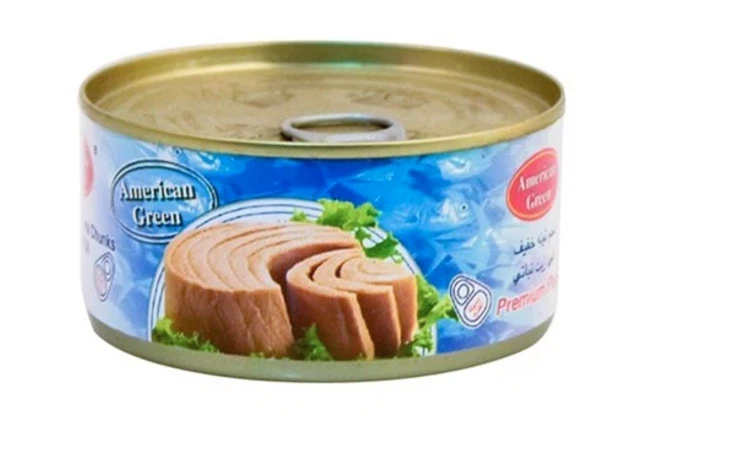
The African canned tuna market is experiencing a significant surge, driven by changing consumer preferences and a growing demand for convenient, protein-rich foods. With urbanization accelerating and lifestyles becoming busier, canned tuna has emerged as a preferred choice for its versatility, long shelf life, and ease of use in everyday meals. From salads to stews, its adaptability to both traditional African dishes and international recipes has made it a household favorite.
Beyond convenience, canned tuna is gaining popularity due to its nutritional benefits. Packed with protein and omega-3 fatty acids, it offers a healthy and affordable option for families seeking balanced diets. Many consumers are also drawn to its eco-conscious appeal, as leading brands emphasize sustainable fishing practices and responsible sourcing. Certifications like the Marine Stewardship Council (MSC) label assure buyers that their choices align with global environmental standards.
The growth of canned tuna in Africa is supported by enhanced distribution networks and local partnerships, ensuring better availability across urban and rural areas. Some brands are also exploring packaging innovations and marketing campaigns that cater to the region's diverse culinary cultures. Social media platforms are increasingly being used to share recipes, educate consumers about the health benefits of tuna, and build stronger connections with communities.
Canned tuna's appeal extends beyond individual households to larger institutions such as schools and catering services, which value its cost-effectiveness and ease of storage. As the market continues to grow, feedback from consumers highlights its role not only as a food product but also as a driver of dietary change, offering nutritious options that fit seamlessly into Africa's evolving food landscape.