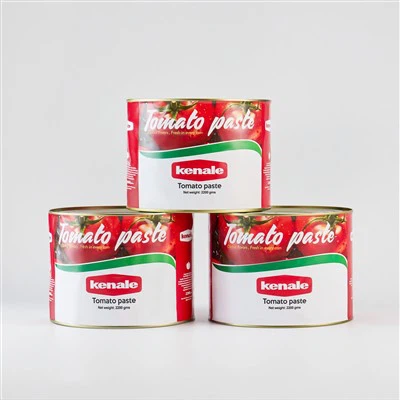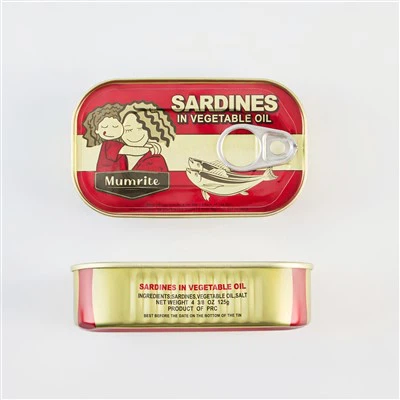
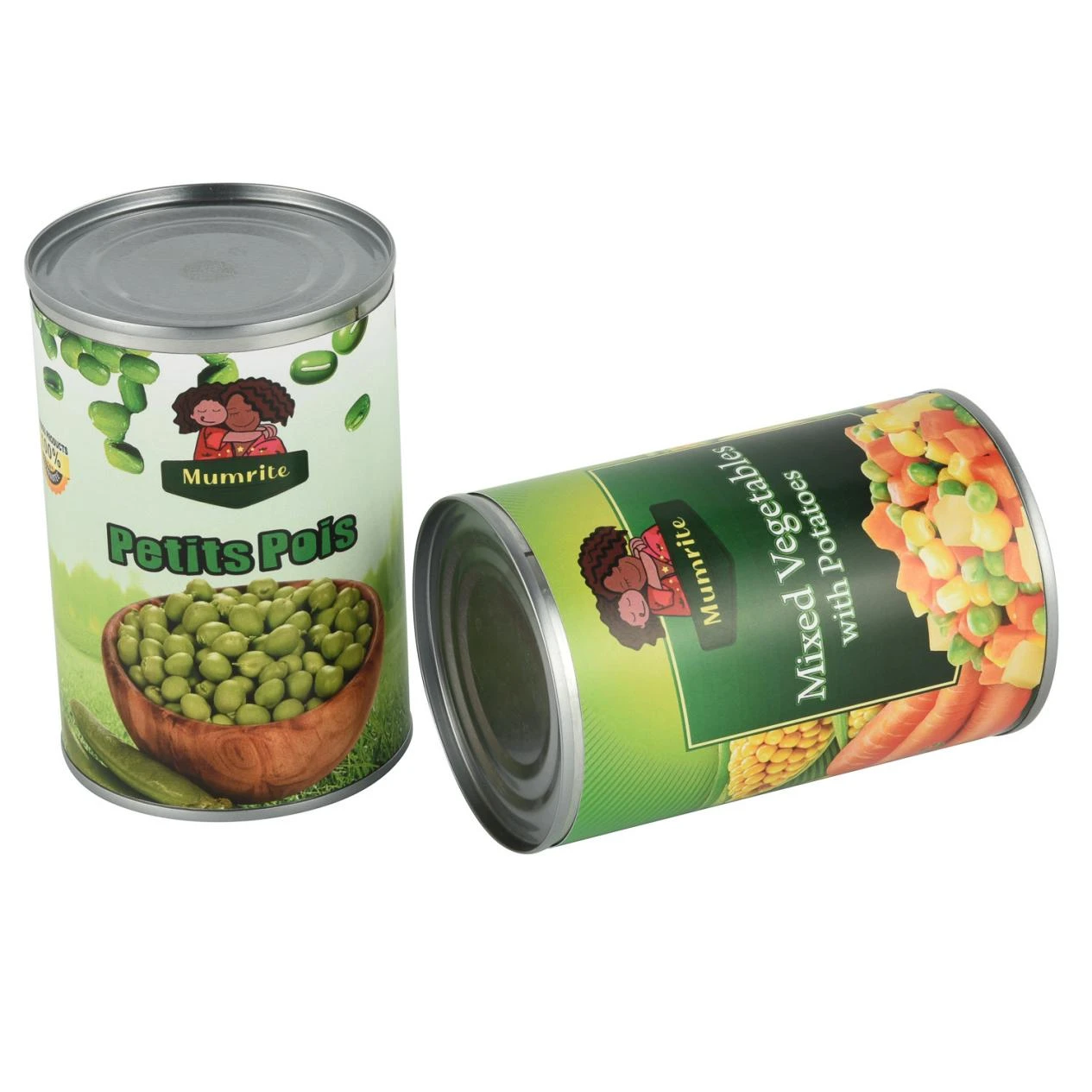
With convenience at the forefront of modern diets, canned foods, including beans, have become pantry staples for many households. But as consumers become more health-conscious, questions about the safety of canned products, particularly canned beans, continue to arise. Are they safe to eat?
Experts in food safety and nutrition reassure consumers that Green Peas in Tin are generally safe for consumption. Canning is a method that involves sealing food in airtight containers and heating them to high temperatures, effectively killing bacteria and other harmful microorganisms. This process ensures that canned beans can have a long shelf life without the need for preservatives. As long as the can is not damaged-showing no signs of dents, rust, or swelling-canned beans remain safe to eat.
However, some concerns focus on the materials used in the can lining. In the past, many cans contained a compound called bisphenol A (BPA), which has been linked to potential health risks. In response to public concern, many manufacturers have switched to BPA-free linings, though it's always recommended to check labels for more information.
Another point of consideration is the sodium content. Canned beans are often packed in a salty brine to help preserve them, and excessive sodium intake can contribute to health issues such as high blood pressure. Nutritionists suggest rinsing canned beans thoroughly before use to remove up to 40% of the sodium. Alternatively, low-sodium or no-salt-added versions are available for those looking to reduce their intake.
In summary, canned beans are a safe, convenient, and nutritious option for meals, provided consumers are mindful of can condition and sodium content. The affordable, long-lasting nature of canned beans makes them a valuable addition to any diet, especially when fresh options aren't available.