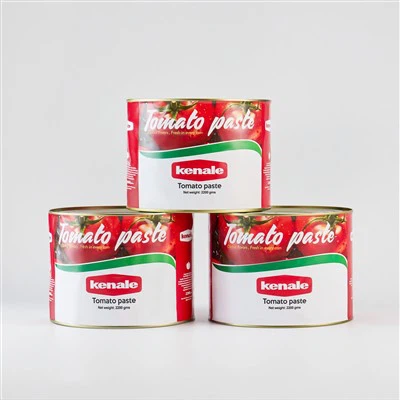
Tomato paste is no longer just a kitchen staple - it is now recognized as a strategic ingredient driving innovation in modern cooking and food production across Africa and beyond. While the 400g can might seem simple, it holds unique advantages that appeal to different market segments, from local street vendors to large-scale manufacturers.
More Than a Base Ingredient: A Flavor Foundation
Unlike fresh tomatoes, tomato paste offers a highly concentrated, standardized base that guarantees consistent taste and color. In busy urban kitchens and high-volume restaurants, this reliability is essential for meeting customer expectations every day.
For food producers, tomato paste simplifies recipe formulation and reduces the risks associated with seasonal fluctuations in fresh produce supply. It helps create uniform sauces, soups, and ready-to-eat meals that are easier to market and brand.
Supporting Local Food Entrepreneurs
Across many African cities, small food businesses and street food vendors rely on tomato paste to maintain quality while keeping costs manageable. The 400g can is an ideal size: large enough to prepare bulk meals such as rice dishes, stews, or jollof rice, yet compact enough to avoid waste and allow flexible purchasing.
In fast-growing urban areas, these vendors play a crucial role in feeding large populations affordably. Tomato paste empowers them to serve flavorful meals efficiently, contributing to local economies and supporting entrepreneurship.
An Ingredient for Product Innovation
Tomato paste is also gaining importance in the development of new food products aimed at the convenience and ready-to-eat market. As more consumers seek quick but flavorful meal solutions, tomato paste serves as a core ingredient for:
- Instant sauces and soup bases tailored for home cooks.
- Pre-mixed seasoning pastes, combining tomato, spices, and oil in one easy-to-use product.
- Canned or packaged ready meals that deliver authentic taste without complex preparation.
This trend not only expands opportunities for processors and brand owners but also helps meet the evolving expectations of busy, urban consumers.
Health and Nutritional Messaging
Consumers are increasingly aware of nutritional value and natural ingredients. Tomato paste offers a clean label advantage: it is typically free from artificial additives and rich in lycopene, vitamins, and minerals.
For marketing and retail, highlighting these natural benefits can help differentiate products and build trust among health-conscious customers.
The Strategic Value of the 400g Can
While tomato paste is available in various sizes, the 400g can stands out for its versatility. It is suitable for:
- Family cooking, where a single can often matches one meal preparation cycle.
- Food service and catering, allowing batch cooking without opening multiple small packs.
- Retail shelves, providing an attractive price-to-quantity balance that appeals to both cost-conscious and quality-driven buyers.
Tomato paste in a 400g can is no longer a passive pantry item - it is an active driver of business growth, culinary creativity, and consumer trust. From supporting local food entrepreneurs to enabling large-scale product innovation, it offers practical and strategic value far beyond its humble appearance.
As the African food market continues to evolve, tomato paste will remain a key ingredient shaping new flavors, business opportunities, and healthier meal solutions across the continent.