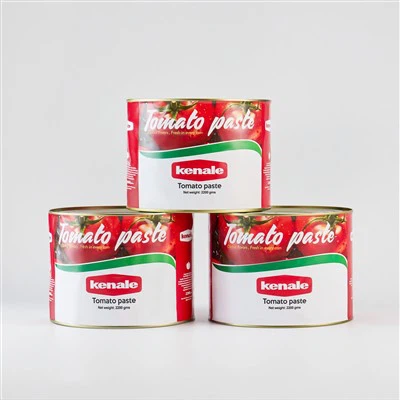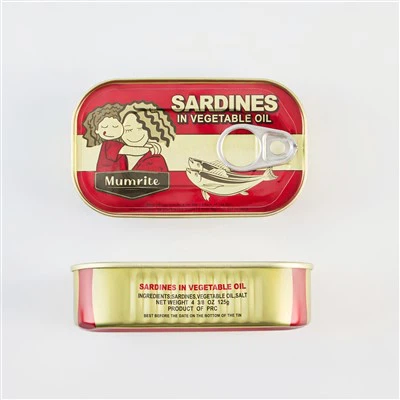
In Africa, where dietary needs, living conditions, and logistical challenges shape food choices, chicken luncheon meat has emerged as a beloved staple-winning over consumers with its unique ability to address local demands. Its popularity stems from four key factors that align perfectly with the continent's daily realities.
First, it solves Africa's long-standing struggle with food preservation and storage. Many rural areas and even urban peripheries lack stable refrigeration infrastructure; fresh meat spoils within hours without cold storage, leading to massive food waste. Chicken luncheon meat, however, boasts a shelf life of up to 2 years unrefrigerated, thanks to advanced sterilization and sealing technologies. This means families can stock it for months, avoiding frequent trips to markets (which are often far or have limited fresh meat supplies) and reducing the risk of foodborne illnesses from spoiled products.

Second, it delivers affordable, reliable protein-a critical need in regions where malnutrition remains a concern. Fresh chicken or beef is often pricey: fluctuating supply chains (hit by droughts, poor roads, or import delays) drive up costs, making it out of reach for low- and middle-income households. Chicken luncheon meat, produced industrially with stable pricing, offers a budget-friendly alternative. Each can packs high-quality lean protein, essential for children's growth (supporting muscle and brain development) and adults' energy needs-filling a gap in accessible nutrition.

Third, its ease of preparation fits Africa's fast-paced, labor-intensive lifestyles. Many families, especially working mothers, juggle multiple roles and have little time for complex cooking. Chicken luncheon meat requires no tedious prep: it can be eaten straight from the can as a quick snack, fried with onions for a simple side, or added to local favorites like jollof rice, bean stews, or sandwiches. This versatility cuts down cooking time while still letting families enjoy flavorful, satisfying meals.
Finally, it withstands Africa's logistical hurdles. Poor road conditions, long transport distances, and extreme weather (heat, heavy rains) often damage delicate fresh food. Chicken luncheon meat's durable cans resist impacts, temperature changes, and moisture, ensuring the product arrives intact-whether it's being shipped to remote villages or urban markets. For consumers, this reliability means they never have to worry about receiving spoiled or damaged goods, building trust in the product over time.
Beyond the product itself, our factory's deep understanding of Africa's market sets us apart. We don't just manufacture chicken luncheon meat-we tailor it to African needs: we've adjusted can sizes to fit household portions (avoiding food waste for small families) and optimized our recipes to complement local flavor profiles (subtly balancing salt levels to pair well with spicy stews and grains). We also partner with regional logistics providers familiar with Africa's road networks, ensuring faster delivery to even hard-to-reach areas. Plus, our production lines adhere to both international food safety standards and Africa's local regulatory requirements, with regular audits to guarantee consistency-so African consumers get a product they can trust, made by a team that truly understands their way of life.
Combining practicality, nutrition, and affordability, chicken luncheon meat doesn't just meet Africa's food needs-it adapts to its way of life, making it a staple in homes across the continent.