
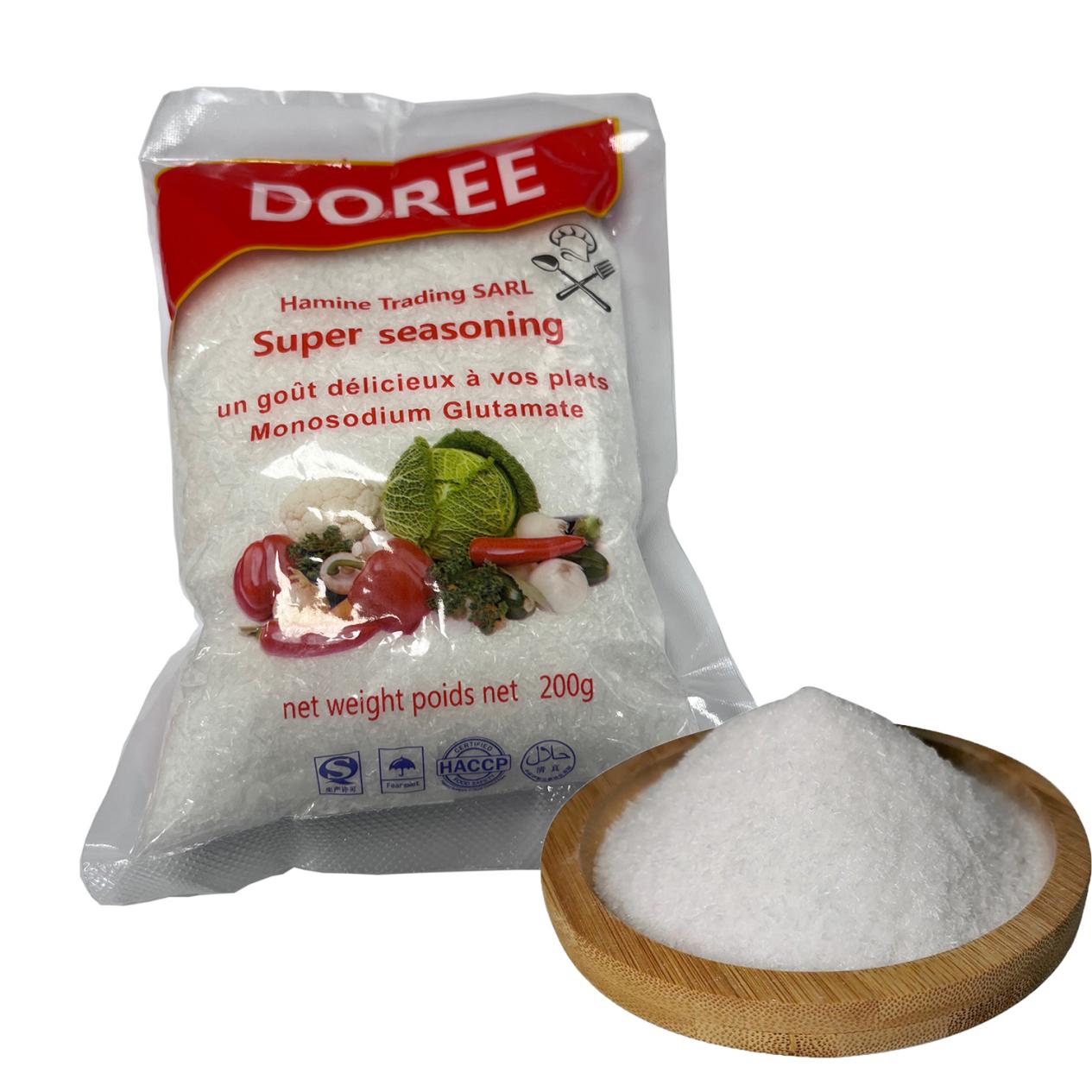
Monosodium glutamate (MSG) is a flavor enhancer commonly used in processed foods and Asian cuisine. It has been the subject of considerable debate regarding its safety, but health authorities such as the U.S. Food and Drug Administration (FDA), the European Food Safety Authority (EFSA), and the World Health Organization (WHO) all consider MSG to be safe for the general population when consumed in normal dietary amounts. Decades of scientific research have not found any definitive evidence linking MSG to long-term or serious health issues.
The controversy around MSG largely stems from reports of "Chinese Restaurant Syndrome," a term coined in the late 1960s when some individuals reported symptoms like headaches, sweating, nausea, chest pain, and numbness after consuming food with MSG. These symptoms are now referred to as "MSG Symptom Complex," but research has shown that such reactions are rare and occur mostly in sensitive individuals at high doses, far exceeding what is typically found in food. Numerous studies have since demonstrated that most people can consume MSG without adverse effects.
MSG naturally occurs in foods such as tomatoes, cheese, and seaweed, and when added to food, it enhances umami, the savory taste that boosts flavor. Like many food additives, MSG is regulated, and in most countries, its use is not restricted, although it must be clearly labeled on food packaging. Overall, MSG is considered safe by experts, but some individuals may choose to avoid it due to personal sensitivity or preference.